Beneath The Concrete: The Rising Calamity of Homelessness in Nepal

Beneath The Concrete: The Rising Calamity of Homelessness in Nepal
Over 250,000 people in Nepal live without a permanent home. Homelessness is a hidden crisis, often overlooked, yet it is rapidly escalating across city centers.
Nepal’s homelessness problem is not just a social issue—it is an urgent economic and social crisis affecting the country’s growth and city development. Extreme poverty in rural areas is a serious problem, especially in cities like Kathmandu, where fast, unplanned movement to the city and rising housing prices put pressure on limited services.
The Scale of Vulnerability
Recent data paints a bleak picture:
- 250,000 people are experiencing literal homelessness, sleeping on streets, in temples, or abandoned buildings.
- About 2.8 million people (around 10% of Nepal’s population) live in poor slum areas, often without clean water, toilets, or electricity.
In Kathmandu, slum settlements, or sukumbasi, have emerged along riverbanks and other marginalized areas, rendering thousands of families—including many children—in precarious living conditions along the riverbanks and vacant land, leaving thousands of families, including many young children, living in unsafe and unstable conditions.
Why Homelessness Persists
Homelessness in Nepal is interplayed by socio-economic challenges, systemic factors, and man-made ecological crises:
- Haphazard Urban Expansion: Unplanned city growth leads to overcrowded, unstable, and unsanitary settlements. These areas suffer from poor infrastructure and severe air pollution.
- Mass Rural-to-Urban Migration: A continuous influx of people into major cities overwhelms existing infrastructure and depletes affordable housing options.
- Climate-Induced Displacement: Environmental degradation triggers severe flooding and landslides. These disasters destroy fragile housing, causing permanent displacement for marginalized communities.
1. Migration and Urbanization
According to MDPI Research, the wealth gap has caused rapid rural-to-urban migration in the Kathmandu Valley. This internal migration expands the urban population by 4% annually, triggering unplanned growth that swamps housing and public infrastructure.
2. Poverty and Economic Inequality
High urban housing costs prevent 25% of impoverished Nepalis from securing legal tenancy. To leverage economic mobility, initiatives focus on closing Nepal's gender digital gap and improving educational technology (The Borgen Project, 2025–2026).
3. Anthropogenic Global Warming
Floods and landslides are directly amplified by anthropogenic global warming through intense precipitation and altered weather patterns. Earthquakes are caused by tectonic plate movements, not global warming.
4. Social and Personal Factors
Family abandonment, domestic violence, mental illness, and limited education contribute to homelessness, disproportionately burdening children and the elderly.
Impact on Vulnerable Communities
Urban families in plastic-roofed shelters face constant danger from extreme weather and forced evictions. When these marginalized families lose their homes, they often lose their legal identity documents as well. This loss traps them in a perpetuating loop of poverty, child labor, and social exclusion (Nepal Country Inequality Report (CIR 2025)
Steps Towards Solutions
Rescue and Rehabilitation
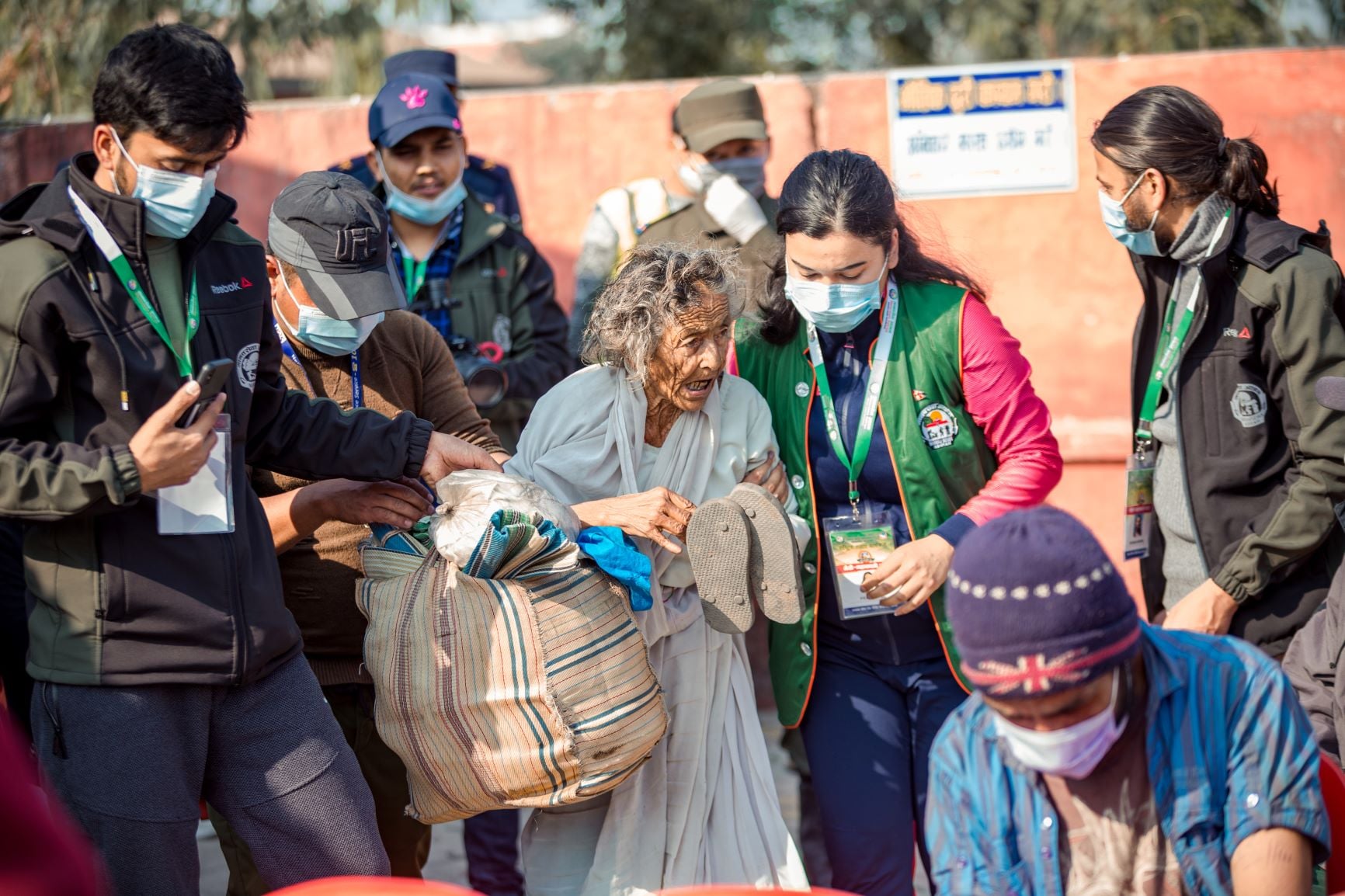
Manavsewa Ashram, in partnership with Kathmandu Metropolitan City, rescues, cares for, and reunites street-dependent individuals with families. Over 1,600 people are already housed across the Ashram branches.
Multi-Storied Housing Projects
The Government of Nepal is constructing multi-storied buildings to resettle families from riverbank slums.
Target 2082 BS
Government of Nepal, under the Street Children Special Protection Directive, partners with federal bodies, local municipalities, and the Manavsewa Ashram to eradicate street-dependency and declare the nation free of street-children by the year 2026 AD, steering rescue, rehabilitation, and local ward-level declarations.
Comprehensive Blueprints
Experts recommend long-term solutions:
- Implement affordable housing policies within urban planning.
- Enforce the Right to Housing Act 2018.
- Provide livelihood opportunities and social services for urbanized, poor populations.
Volunteer and Community Action
Manavsewa Ashram plans to train 1,000 full-time campaigners and 100,000 volunteers by 2082 BS, co-creating a more caring society.

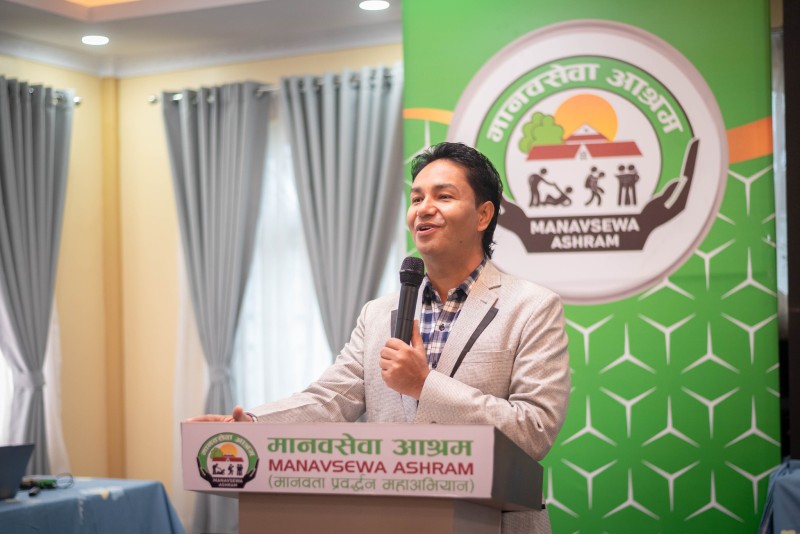
Ramjee Adikari ~ A Gentle Disruptor Advocating for Global Compassion
As the founder of MSA, Ramjee Adhikari champions a compassionate, plant-based lifestyle, subtly reshaping global norms to prioritize kindness and ethical eating. March 26, 2026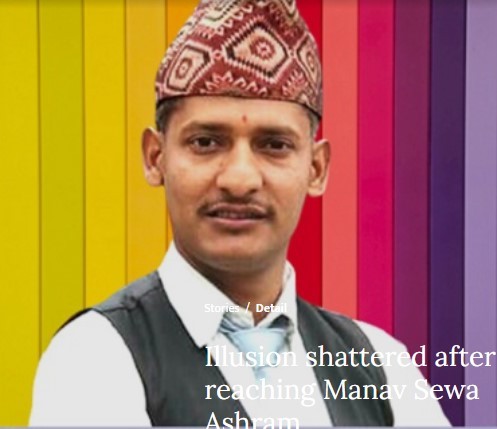
Illusion shattered after reaching Manav Sewa Ashram.
'Illusion broken after reaching Manav Seva Ashram' Life is a series of coincidences. Strange coincidences happen in life. New Year 2078 has started with such a coincidence. January 17, 2025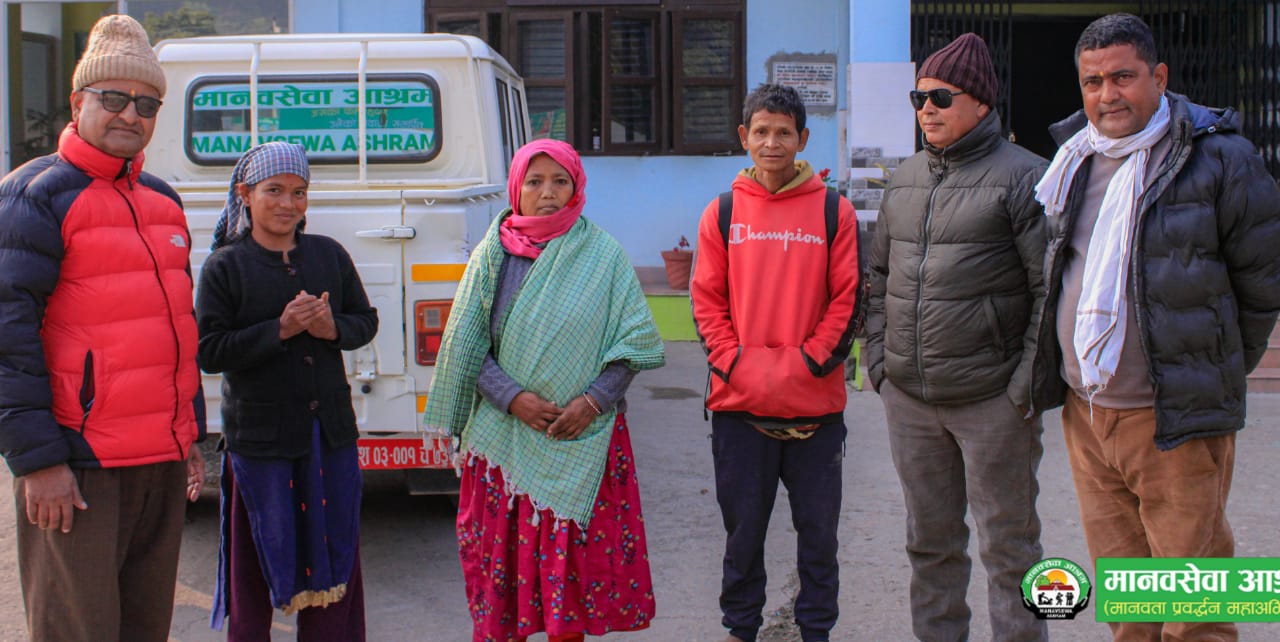
Sharmila Kushwar's happy family reunion from Sarlahi Branch
The family reunion was possible after he came into contact with his family about a month after he arrived at the ashram, the ashram said. January 16, 2025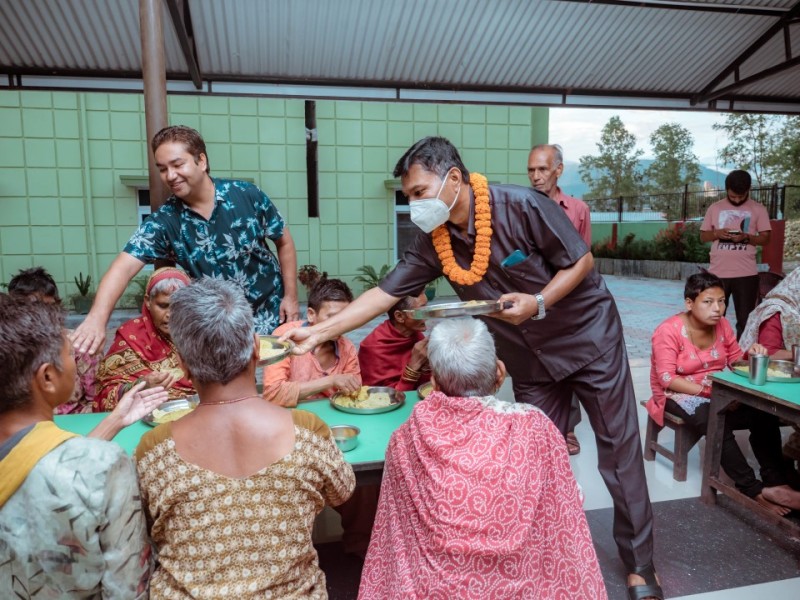
An Experience of Principal Secretary
Dr. Mann Wahadur VK. Kathmandu, August 15: My relationship with Manav Seva Ashram is from its beginning. When I was working as the chief district officer in Chitwan,... January 15, 2025- A New Beginning: Ratnanagar Becomes a 'Street-Dependent Person Free' City
- Mechi-Mahakali National Rescue Journey 2026 | 9 Exclusive Images
- Mechi-Mahakali Rescue Day 10: 117 Street People Rescued
- Ani Choying Drolma: In the Eyes of the Lotus
- Mechi-Mahakali Rescue Journey Update: 5 people rescued from Rupandehi under the protection of Manavsewa Ashram