Food Service
The Story: The Harvest of Compassion ❀

March 25, 2026
❀In the bustling, green periphery of Pokhara, the Manavseva Ashram stands not just as a building, but as a sanctuary of hope. It is a place dedicated to rescuing the helpless, the mentally challenged, and the homeless - tose the world has forgotten, calling them affectionately "the parents of the ashram."
The Muthidan Tradition
The morning begins with a sacred routine known as Muthidan (a handful of grains/vegetables donation). Local households, small vendors, and compassionate farmers in Pokhara bring a small, voluntary portion of their harvest, a few potatoes, a handful of greens, a fresh bottle gourd to the ashram. It is a community-driven initiative where everyone contributes what they can to support those in need.
The Busy Hands
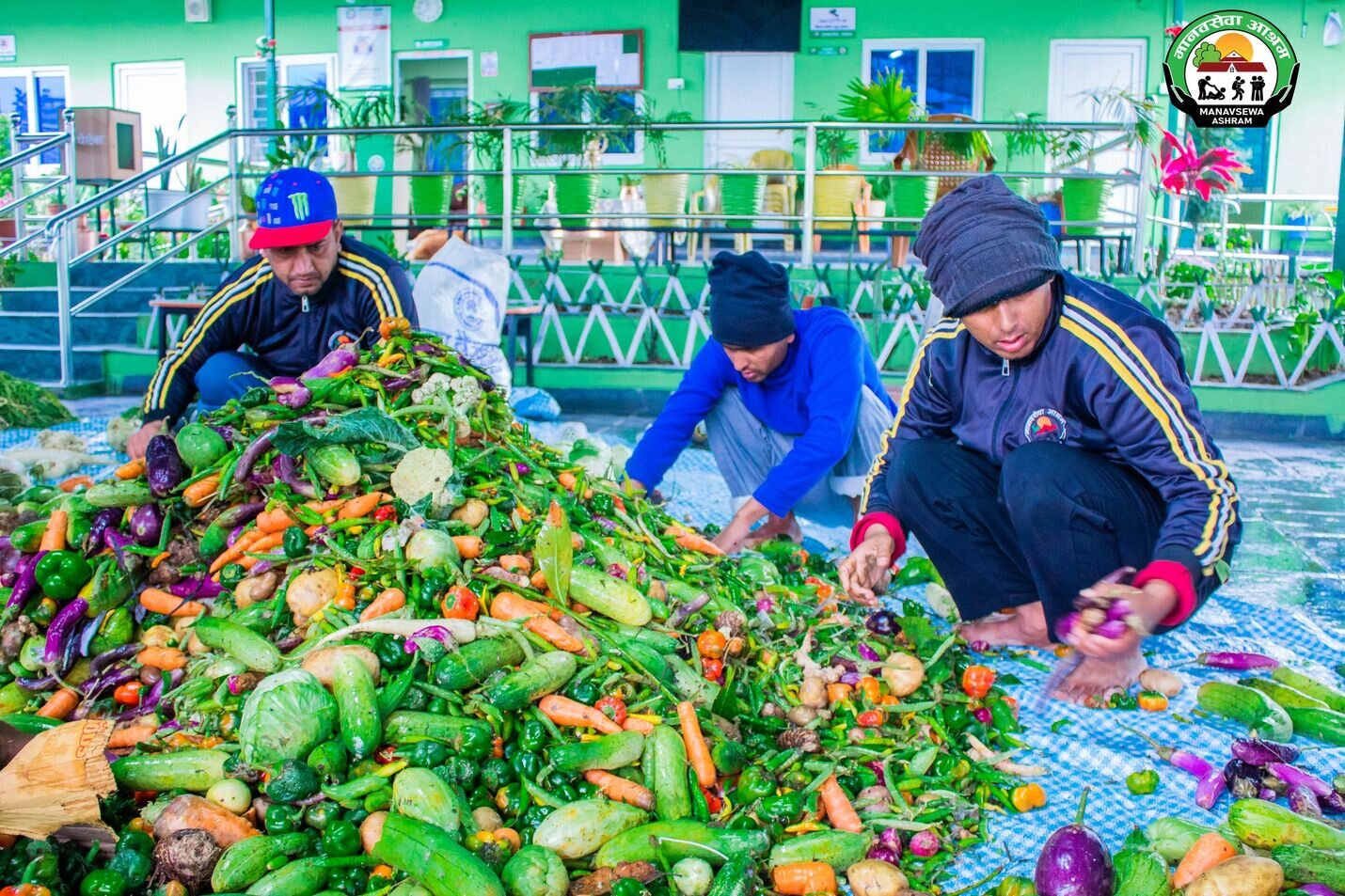
As the sun rises, the atmosphere at the ashram is vibrant. The Fathers, volunteers, and staff are already busy. The courtyard is filled with the fresh aroma of organic produce. They carefully sort through the varied handouts—tender spinach leaves, robust radishes, and fresh tomatoes—gathered from the community's Muthidan. "These vegetables are special," one of the volunteers says, chopping vegetables with swift, practiced hands. "They are not bought with money; they are bought with love."

Photo - Fathers busy preparing vegetables collected from the Muthidan handouts at the Manavsewa Ashram, Pokhara—"where every harvest turns into a meal of love."
Cooking with Love
The kitchen is a symphony of service. The gathered vegetables are meticulously cleaned and chopped. While some volunteers prepare the firewood, others stir the large, steaming pots. The meal being prepared is for the dozens of residents—the "parents"—who have been rescued from street-dependent, miserable lives.
Serving the "Parents"
By lunchtime, the food is ready, a nutritious, warm, and loving meal made from the Muthidan produce. As the residents sit down to eat, there is a sense of belonging. The fruits of the community’s small hand-outs have transformed into a feast of love.
The Muthidan act ensures that the ashram remains self-reliant in its daily food needs, turning local generosity into a continuous, caring, and homely environment for the vulnerable in Pokhara.
Key Themes of the Scene:
- Muthidan (Handful Donation): A local practice of collecting small food donations from neighbors to support the ashram.
- Community Support: The Pokhara community takes responsibility for rescuing and feeding its own street-dependent people.
- Service (Sewa): The "Fathers" and staff work tirelessly, treating the residents as their own parents.
- Sustainability: By relying on Muthidan, the Manavsewa Ashram creates a sustainable model for food security.
How to book Khaja/Bhojan Sewa:
- Online Booking: You can book through our official Manavsewa Ashram website
- Direct Support: You can contact Manavsewa Ashram: directly via website or visit our nearest branch to arrange for a Bhojan Sewa or Khaja Sewa: booking (Lunch, dinner or tea time snack services).
Contribution Details:
Bank Account: MANAVSEWA ASHRAM, Account Number: 12701010000179, Global IME Bank Ltd, Kamaladi, Kathmandu.
DONATE NOW
DONATE NOW
Membership/ Donation: Various membership plans for regular meals (e.g., Annual/Lifetime).
Contact Information: For queries, please email: [email protected]
Éllé Singh/ Manavsewa Ashram
published date: 2026-03-25 17:26:00
Comment Here

More Food Service
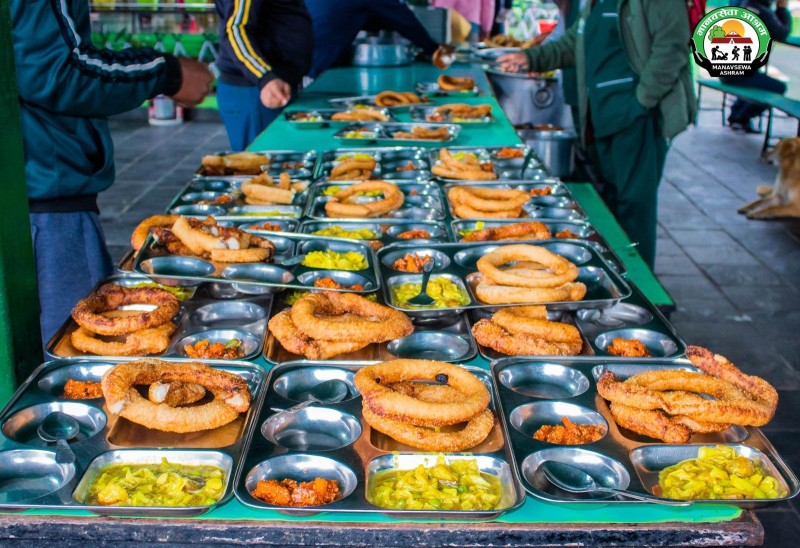
Manavsewa Ashram's service routine: Khaja Sewa ☕
This act of kindness serves as the first step in building trust, leading to the person being rescued and taken into the Ashram for long-term care, medical treatment,... March 26, 2026
Latest News
- A New Beginning: Ratnanagar Becomes a 'Street-Dependent Person Free' City
- Mechi-Mahakali National Rescue Journey 2026 | 9 Exclusive Images
- Mechi-Mahakali Rescue Day 10: 117 Street People Rescued
- Ani Choying Drolma: In the Eyes of the Lotus
- Mechi-Mahakali Rescue Journey Update: 5 people rescued from Rupandehi under the protection of Manavsewa Ashram

Weekly Trending News