From Homelessness to Folklore Legend / The Remarkable Odyssey of Lafcadio Hearn
Ki ga aréba, mé mo kuchi hodo ni mono wo iu: “When the wish is there, the eyes can say as much as the mouth.”

Literature Review:
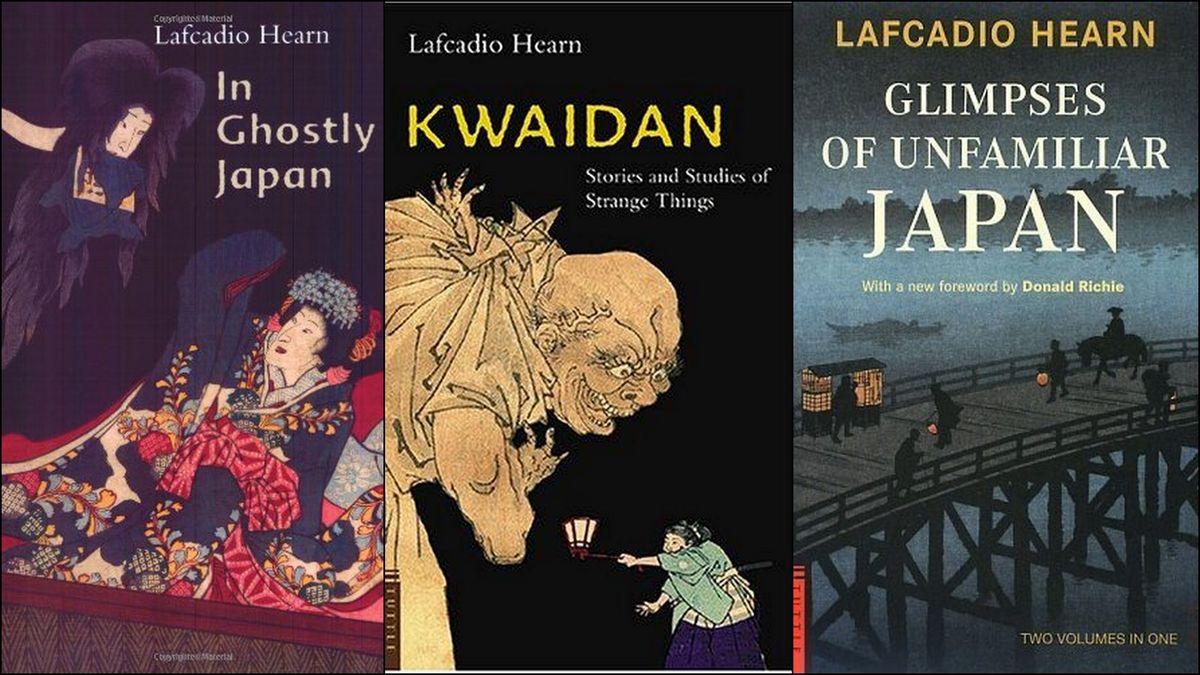
Lafcadio Hearn, a profoundly homeless world-class writer.
Subject of an exhibition at Dublin Writers Centre, he is little known here but famous in Japan and a cult figure in France and the US.
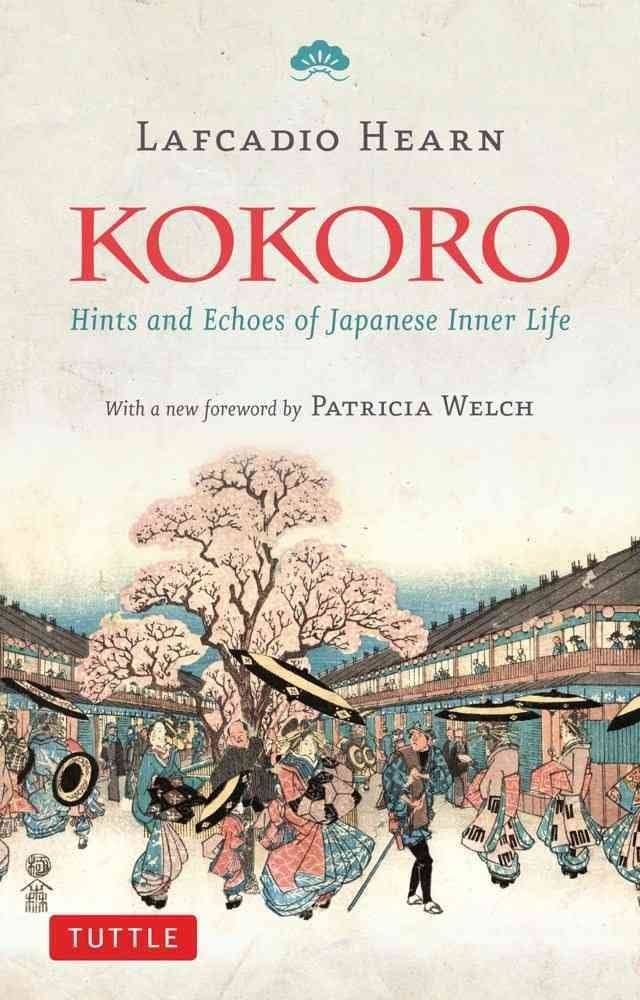
What does Kokoro mean? As author Lafcadio Hearn points out, the Japanese word Kokoro translates to more than just the physical heart. In Japanese culture, Kokoro represents the emotional mind, spirit, courage, and resolve. It embodies sentiment, affection, and the true inner meaning of existence—closely mirroring the English phrase "the heart of things."
The Vagabond Genius
Lafcadio Hearn is the ultimate homeless vagabond wanderer. He belonged to no single country. Instead, he turned his rootless existence into a powerful creative tool. His life spanned Greece, Ireland, America, the Caribbean, and Japan. This constant displacement allowed him to capture the ghosts, folklore, and hidden souls of the cultures he visited. Hearn did not just travel; he absorbed the world from the margins of society.
An Orphaned Childhood and the Roots of Nomadism
Hearn’s identity as a wanderer began during infancy.
- Born on a Greek Island: He was born in 1850 on Lefkada, Greece, to an Irish father and a Greek mother.
- Abandoned early: His parents divorced quickly, leaving him with an eccentric great-aunt in Dublin.
- Blinded in one eye: A schoolyard accident left him partially blind and deeply self-conscious.
- Cast out penniless: His guardian lost her fortune, leaving Hearn completely homeless and broke by his teenage years.
A Homeless Vagabond in London and Cincinnati
Before becoming a famous writer, Hearn lived the harsh life of a true vagrant.
- London poverty: He spent two years sleeping in workhouses, haylofts, and London streets.
- The American migration: At 19, he caught a ship to New York and eventually hitchhiked to Cincinnati.
- Sleeping in packing boxes: In Cincinnati, he survived by sleeping in shipping crates and eating street scraps.
- The printing shop respites: A local printer took pity on him, giving him a job and unlocking his writing talent.
The Macabre Journalist and the Cincinnati Scandals
Hearn quickly revolutionized American journalism with his dark, vivid prose style.
- Sensational crime reporting: He wrote about Cincinnati’s underworld, murder scenes, and ghost stories.
- The Tan Yard Murder: His graphic reporting on a local gruesome murder made him a household name.
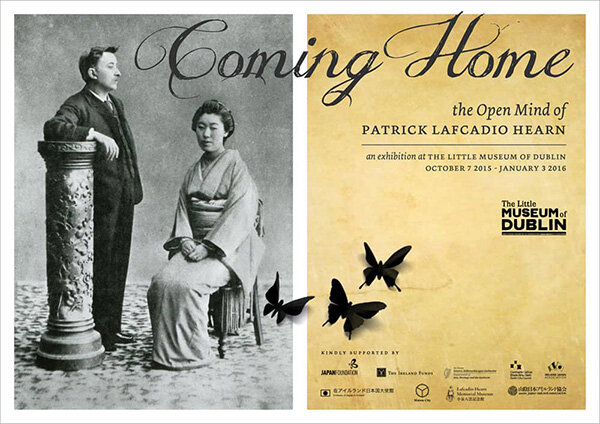
- Breaking racial taboos: He illegally married Mattie Foley, a formerly enslaved Black woman, defying anti-miscegenation laws.
- Fired and exiled: The controversial marriage got him fired, forcing the restless writer to head south to New Orleans.
The Caribbean Interlude and the Search for the Exotic
In New Orleans and the West Indies, Hearn documented cultures that mainstream society ignored.
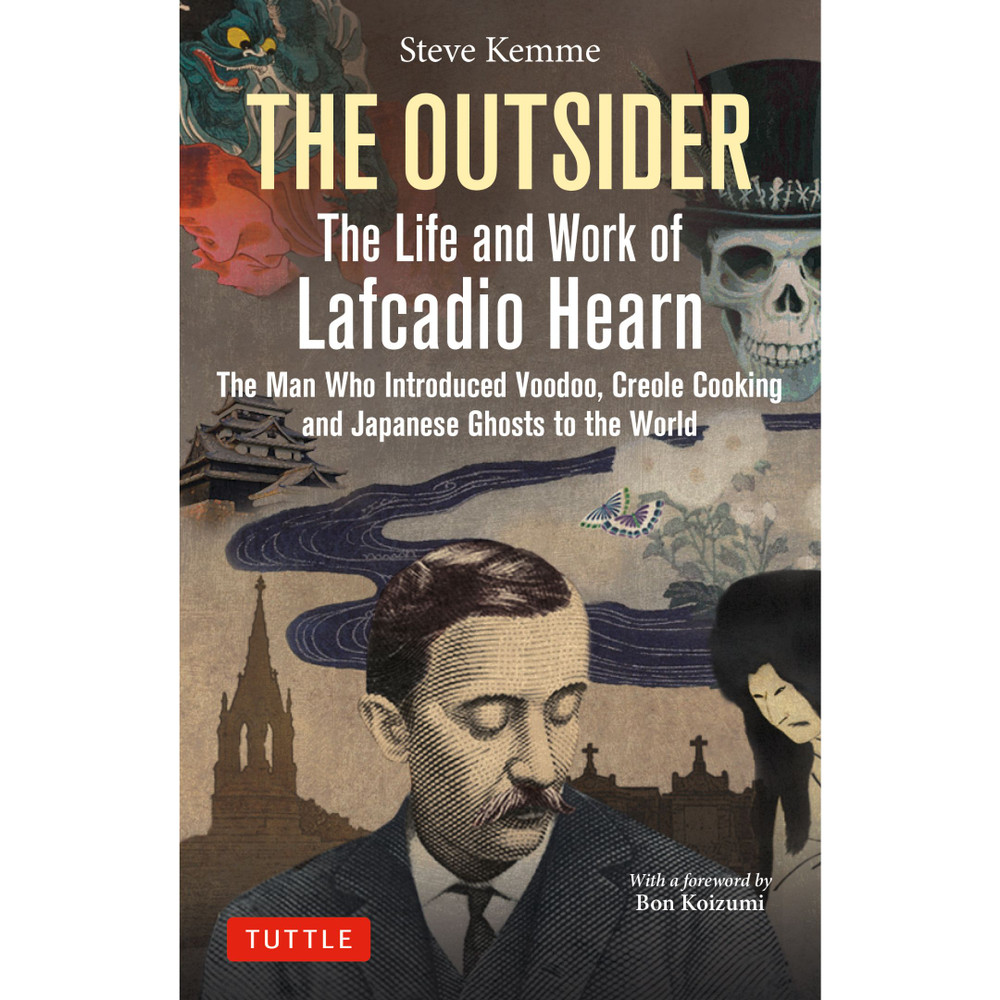
- Voodoo and Creole culture: He wrote the first major English accounts of New Orleans Voodoo practices.
- Two years in Martinique: He lived in poverty in the French West Indies, captivated by local folklore.
- Sensory writing style: His prose became deeply atmospheric, focusing on tropical colors, sounds, and superstitions.
Finding Home in Japan: Koizumi Yakumo
In 1890, Hearn traveled to Japan as a correspondent. He finally found the spiritual home he had sought his entire life.
- Embracing Matsue: He fell in love with traditional, rural Japan, which was rapidly modernizing.
- Becoming Japanese: He married Setsu Koizumi, a samurai’s daughter, and changed his name to Koizumi Yakumo.
- Preserving ghost stories: He collected oral tales of yōkai (monsters) and yūrei (ghosts), publishing them in his masterpiece, Kwaidan.
- A cultural bridge: Hearn became the West's primary window into the mystical, disappearing traditions of Meiji-era Japan
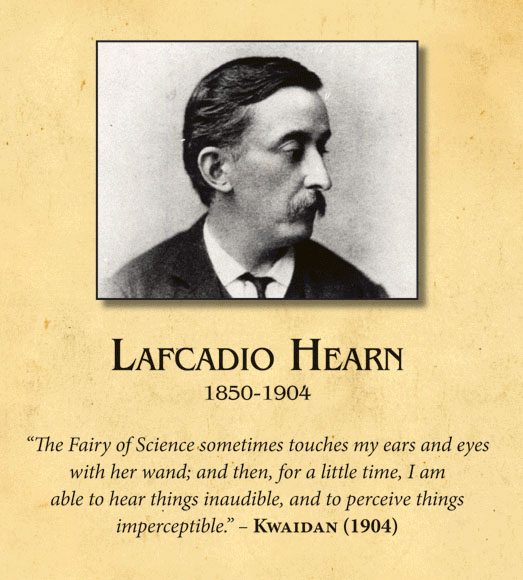
The Legacy of Literature's Greatest Wanderer: Lafcadio Hearn passed away in Tokyo in 1904. His life proved that homelessness and displacement can breed deep empathy. Because he was an outsider everywhere, he could see the beauty in cultures that others dismissed. He transformed from a penniless, half-blind vagabond into a celebrated literary bridge between East and West. Today, he is remembered not just as an author, but as a universal citizen of the world.- Explore the legendary life of Koizumi Yakumo through the Wikipedia biography or the Britannica profile detailing how he bridged East and West during the Meiji era.
- Essential Reading: Discover his iconic cultural essays and Japanese legends in the Amazon.com anthology or check out Goodreads for reader ratings on his critical observations.
- Classic Works: Read his most famous collections of ghostly folktales, including Kwaidan, by browsing the Goodreads author list.
- Free Archives: Access his foundational supernatural tales and cultural analyses directly on Project Gutenberg.
- Further Research: For a deeper academic look at his cross-cultural reception in Japan, read the New Zealand Asian Studies Society analysis.

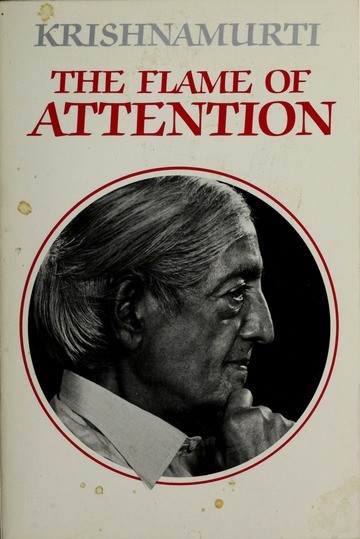
Literature Review: The Flame of Attention by J. Krishnamurti
"The Flame of Attention" by J. Krishnamurti is a profound philosophical work exploring psychological freedom. It argues that human suffering stems from conditioning, fragmentation, and reliance on old... June 3, 2026
Discovering Your Inner Buddha: An Editorial Review of The Heart Is Noble
Discover a powerful, secular blueprint for modern activism and mindful living in The Heart Is Noble: Changing the World from the Inside Out by His Holiness, the 17th... June 1, 2026
In the Eyes of the Flower | Ani Choying Drolma’s Triumph in 'Singing for Freedom'
Ani Choying Drolma’s memoir, Singing for Freedom (originally Phoolko Aankhaama), is a candid, inspiring autobiography. It chronicles her transformation from an abused child in Boudha, Kathmandu, into a... May 21, 2026
- A New Beginning: Ratnanagar Becomes a 'Street-Dependent Person Free' City
- Mechi-Mahakali National Rescue Journey 2026 | 9 Exclusive Images
- Mechi-Mahakali Rescue Day 10: 117 Street People Rescued
- Ani Choying Drolma: In the Eyes of the Lotus
- Mechi-Mahakali Rescue Journey Update: 5 people rescued from Rupandehi under the protection of Manavsewa Ashram