Literature Review
The Silvered Harp of Nepal / Remembering Visionary Romanticist Devkota
Analyzing Laxmi Prasad Devkota’s Masterpiece, Muna Madan (1936)

May 19, 2026
The Heavy Cost of Gold
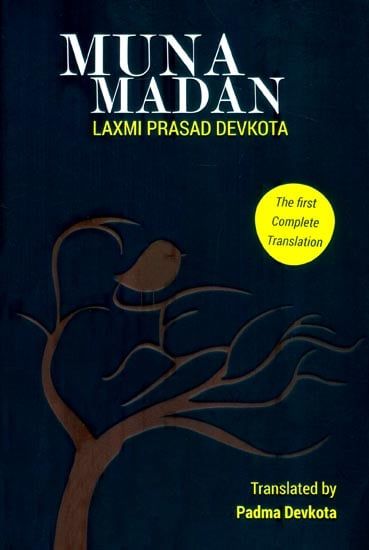
Laxmi Prasad Devkota’s Muna Madan remains a heartbreaking cornerstone of Nepali literature. Written in the traditional Jhyaure bhaka—a rhythmic, native folk musical version—the epic poem delivers an incredibly poignant emotional experience when read aloud.
The narrative captures the classic struggle of the Nepalese diaspora. Driven by economic necessity, Madan leaves Kathmandu for Lhasa, Tibet, seeking material wealth. In doing so, he leaves behind his fragile, aging mother and his devoted newlywed wife, Muna. Devkota brilliantly contrasts these material ambitions with the spiritual wealth of human compassion, creating a timeless masterpiece that still mirrors modern societal struggles.
Humanity Above Caste: The Emotional Core of Muna Madan
Beyond the central romance, Muna Madan introduced some of the most progressive commentary on social hierarchies in South Asian literature. Devkota famously challenged artificial social structures through powerful, enduring couplets.
The definitive line "Manisa thulo dilale hunchha jaatale hudaina" (A person is great by the size of their heart, not by their caste) occurs during a pivotal moment in the poem. When Madan falls critically ill on the desolate trails of Tibet, his companions abandon him. It is a passing traveler, deemed "low-caste" by society, who risks his own life to nurse Madan back to health. This profound act of mercy establishes the poem's core theme: human empathy transcends institutionalized discrimination.
A Vision of Devastating Loss and Labor Migration
What elevates Laxmi Prasad Devkota’s Muna Madan to a world-class tragedy is its raw emotional realism. While Madan struggles to survive in Lhasa, his family back home endures an agonizing silence. Devkota’s powerful depiction mirrors the historic and ongoing reality of Nepali men migrating abroad for work, a journey that frequently costs them their family connections and original roots. Ultimately, this economic migration leaves mothers and wives behind to bear the weight of quiet, domestic suffering.
The deep agony of the dying, sightless mother stands as a masterclass in evoking pathos:"A mother’s eyes remained fixed on the path; she had to pass away without ever getting to see her son’s face."Clinging to her fading existence solely for a final glance at her son, the mother ultimately passes away in the dark. Broken by grief and loneliness, Muna also dies before Madan can return. Through this devastating loss, Muna Madan remains a timeless critique of the human cost of labor migration in Nepal.
Materialism vs. Human Connection in Muna Madan
Materialism vs. Human Connection in Muna Madan
Laxmi Prasad Devkota explicitly critiques greed in his masterpiece. The central moral lesson of Muna Madan highlights that human life and family bonds are transient. Ultimate worldly wealth cannot buy back a mother's last moments.
Key Themes Explored:
- Futility of wealth: Gold cannot replace genuine human emotion.
- Tragic consequences of greed: Material pursuits often destroy family structures.
- Value of presence: Time spent with loved ones outvalues financial gain.
The Iconic Verse: The Mother’s Last Words
The poem uses the traditional Jhyaure bhaka, a rhythmic, folk musical meter native to Nepal. This musicality makes the mother's lamentation incredibly poignant when read aloud.
She cries out in the dark, desperate for her son's presence:"A mother's eyes remained fixed on the path; she had to pass away without ever getting to see her son's face..."
Literary Significance of the Scene:
- Jhyaure meter: Evokes deep tribal and cultural grief.
- Path imagery: Symbolizes eternal waiting and unfulfilled hope.
- Darkness motif: Represents isolation, abandonment, and impending death.
Laxmi Prasad Devkota - The Revered Gem of Nepali Literature
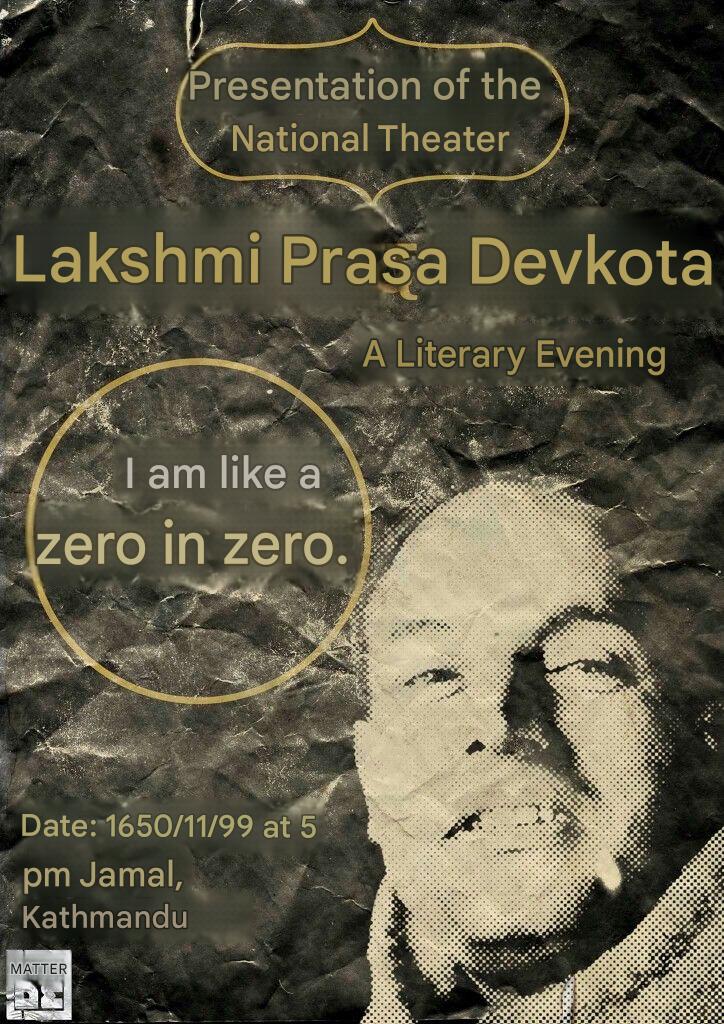
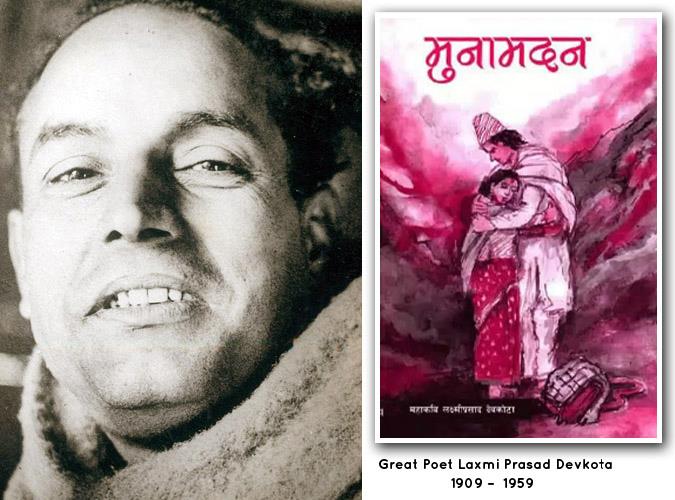
Born in 1909 in Kathmandu, Laxmi Prasad Devkota is celebrated as the Mahakavi (Great Poet) who revolutionized Nepali literature. He introduced modern romanticism to Nepali poetry, breaking from classical constraints to capture the true essence of human emotion.
Throughout his prolific career, his poetry deeply explored universal themes of love, intense patriotism, and social justice. His most iconic lyrical epic, Muna Madan, powerfully reflects the socioeconomic struggles, migration, and heartbreak of ordinary Nepalis. It remains one of the most celebrated and best-selling books in Nepal's history.
The Author's Legacy
Devkota valued Muna Madan so deeply that on his deathbed, he made the famous request that all of his other written works be burned but fiercely begged for this single masterpiece to be saved. Today, his enduring legacy continues to inspire generations of writers and readers globally.
To explore his extensive contributions to Nepali literature, you can read more about his life in the Wikipedia Biography. For a textual and contextual study of his poetic genius, check out the analysis on ResearchGate. To dive into his timeless writings, you can browse or read his lyrical masterpiece on the Internet Archive.
This amazing excerpt from David Rubin’s English translation of Laxmi Prasad Devkota's 1953 Nepali poem, "Pagal" (The Lunatic), explores themes of madness, nature, and unconventional communication, using vivid imagery of talking to stones and flowers. The refined versions enhance the lyrical, dreamlike quality of the original, focusing on the speaker's defiance of conventional, rational thought, drawing on the poem's celebrated status as a masterpiece of Nepali literature.
You can read the original poem in Wikipedia or find it among SBS Italian's selection of ten poets.
Excerpt: Lunatic ( 'Pagal' Poem in English)
Published. 1953.
Written by :- Laxmi Prasad Devkota.
Translated by :- David Rubin
..." Stones I see as flowers
lying water-smoothed by the water's edge,
rocks of tender forms
in the moonlight
when the heavenly sorceress smiles at me,
putting out leaves, softening, glistening,
throbbing, they rise up like mute maniacs,
like flowers, a kind of moon-bird's flowers.
I talk to them the way they talk to me,
a language, friend,
that can't be written or printed or spoken,
can't be understood, can't be heard.
Their language comes in ripples to the moonlit Ganges banks,
ripple by ripple-
oh yes, friend! I'm crazy-
that's just the way I am. .." More
published date: 2026-05-19 16:04:00
Comment Here

More Literature Review
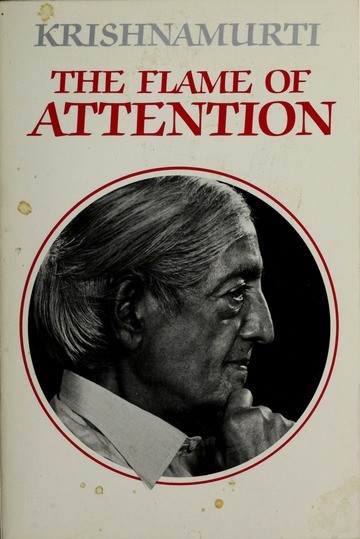
Literature Review: The Flame of Attention by J. Krishnamurti
"The Flame of Attention" by J. Krishnamurti is a profound philosophical work exploring psychological freedom. It argues that human suffering stems from conditioning, fragmentation, and reliance on old... June 3, 2026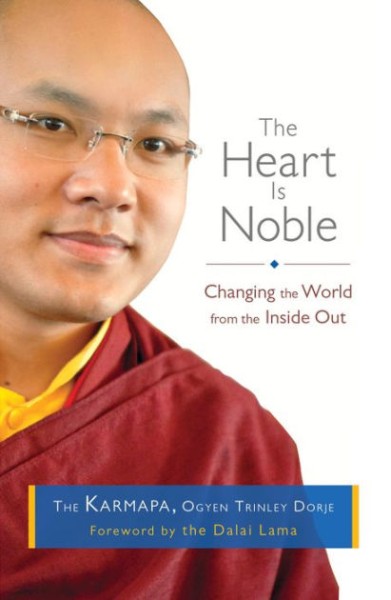
Discovering Your Inner Buddha: An Editorial Review of The Heart Is Noble
Discover a powerful, secular blueprint for modern activism and mindful living in The Heart Is Noble: Changing the World from the Inside Out by His Holiness, the 17th... June 1, 2026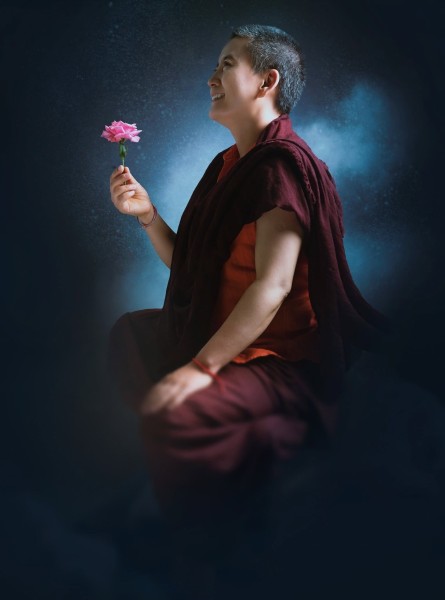
In the Eyes of the Flower | Ani Choying Drolma’s Triumph in 'Singing for Freedom'
Ani Choying Drolma’s memoir, Singing for Freedom (originally Phoolko Aankhaama), is a candid, inspiring autobiography. It chronicles her transformation from an abused child in Boudha, Kathmandu, into a... May 21, 2026
Latest News
- A New Beginning: Ratnanagar Becomes a 'Street-Dependent Person Free' City
- Mechi-Mahakali National Rescue Journey 2026 | 9 Exclusive Images
- Mechi-Mahakali Rescue Day 10: 117 Street People Rescued
- Ani Choying Drolma: In the Eyes of the Lotus
- Mechi-Mahakali Rescue Journey Update: 5 people rescued from Rupandehi under the protection of Manavsewa Ashram

Weekly Trending News