
Literature Review
Literature Review: The Flame of Attention by J. Krishnamurti
How to Cultivate Deep Awareness and Find Peace in a Distracted World

June 3, 2026
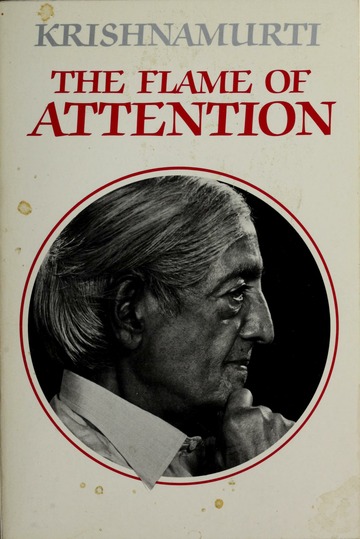
The Flame of Attention: Lighting the Path to True Mindfulness
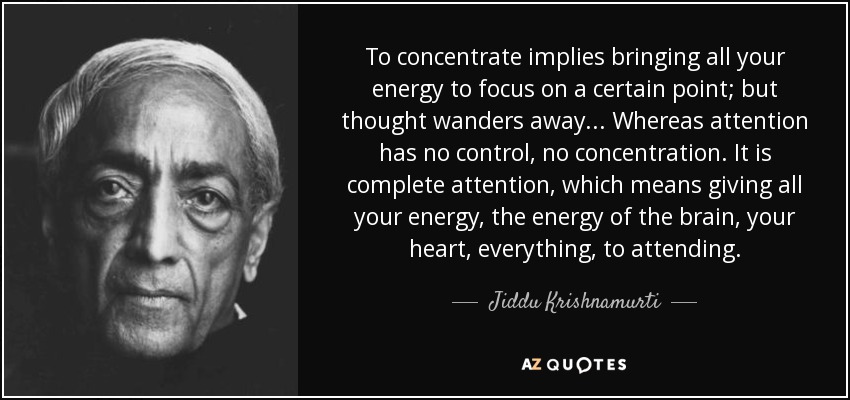
"Attention is like a fire, when that attention is there that thing which is sorrow, the loneliness, the pain, the anxiety, the tears, when there is that complete attention all that goes, disappears." Jiddu Krishnamurti
The Flame of Attention by J. Krishnamurti is a profound philosophical work exploring psychological freedom. It argues that human suffering stems from conditioning, fragmentation, and reliance on old knowledge. True intelligence and inner peace are achieved through choiceless awareness, observing the self and world without judgment or the motive to change.
Core Concepts from the Book:
- The Fire of Attention: Krishnamurti defines complete attention as an intense state of the mind and heart where thinking (or the "circus" of mental chatter) stops entirely.
- No Division between Observer and Observed: We often try to analyze our own sorrow as if we are separated from it. The book teaches that "the observer is the analyzed"; looking at your own thoughts without condemning or justifying them leads to a total end of internal conflict.
- Learning vs. Accumulating: True attention means observing yourself exactly as you are in the moment, rather than through the lens of past conditioning or future expectations.
Overview
- The Flame of Attention is a profound collection of public talks given by philosopher J. Krishnamurti.
- It explores how true awareness—described as a "flame of attention"—can naturally burn away psychological burdens like anxiety, hurt, and fear.
- Krishnamurti distinguishes between traditional "concentration" and "total attention," proposing that only a completely attentive mind can achieve peace and pure intelligence.
Core Themes
- Observation vs. Concentration: Total attention is a state of observing without motive or a central 'I,' which naturally dissolves problems rather than struggling against them.
- Freedom from the Self: The book tackles psychological insecurity and the images we build about ourselves, which are the primary sources of hurt and violence.
- Awareness of Inattention: Krishnamurti teaches that simply becoming aware of when you are "inattentive" brings attention, without needing to battle against your own distractions.
Why Read It
- Learn to navigate modern societal issues, violence, and daily anxiety.
- Discover how a completely silent brain holds extraordinary energy and love.
Book Metadata
- Author: Jiddu Krishnamurti (J. Krishnamurti)
- Publication Date: First published in 1984 (compilation of 1981–1982 lectures given across India, England, Switzerland, and the USA)
- Format: Softcover / eBook
- Genres: Philosophy, Eastern Philosophy, Psychology, Spirituality, Mindfulness
- Primary Themes: Choiceless awareness, psychological conditioning, the observer and the observed, self-inquiry, ending human violence and suffering
- Target Audience: Seekers of truth, mindfulness practitioners, philosophers, and individuals exploring mental health and inner freedom
published date: 2026-06-03 14:57:00
Comment Here

More Literature Review
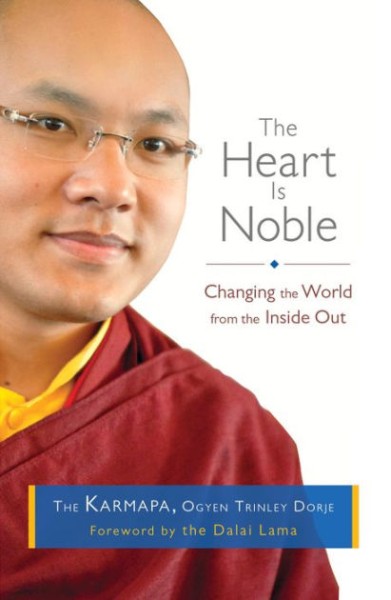
Discovering Your Inner Buddha: An Editorial Review of The Heart Is Noble
Discover a powerful, secular blueprint for modern activism and mindful living in The Heart Is Noble: Changing the World from the Inside Out by His Holiness, the 17th... June 1, 2026
In the Eyes of the Flower | Ani Choying Drolma’s Triumph in 'Singing for Freedom'
Ani Choying Drolma’s memoir, Singing for Freedom (originally Phoolko Aankhaama), is a candid, inspiring autobiography. It chronicles her transformation from an abused child in Boudha, Kathmandu, into a... May 21, 2026
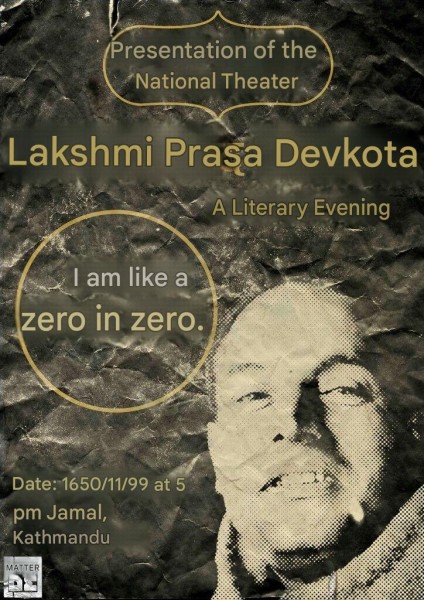
The Silvered Harp of Nepal / Remembering Visionary Romanticist Devkota
Laxmi Prasad Devkota’s Muna Madan is a cornerstone of Nepali literature. Written in the rhythmic Jhyaure folk meter, this heartbreaking Khandakavya transcends time. It explores the heavy human... May 19, 2026
Latest News
- A New Beginning: Ratnanagar Becomes a 'Street-Dependent Person Free' City
- Mechi-Mahakali National Rescue Journey 2026 | 9 Exclusive Images
- Mechi-Mahakali Rescue Day 10: 117 Street People Rescued
- Ani Choying Drolma: In the Eyes of the Lotus
- Mechi-Mahakali Rescue Journey Update: 5 people rescued from Rupandehi under the protection of Manavsewa Ashram

Weekly Trending News