Mechi-Mahakali National Rescue Journey 2026 Concludes: Street-Free Nepal Declaration
A monumental nationwide campaign championed by Manavsewa Ashram, Ani Choying Drolma Foundation and the Kathmandu Metropolitan City reaches its Kathmandu finale, declaring a bold vision for a street-dependent-free Nepal.
Kathmandu, Nepal
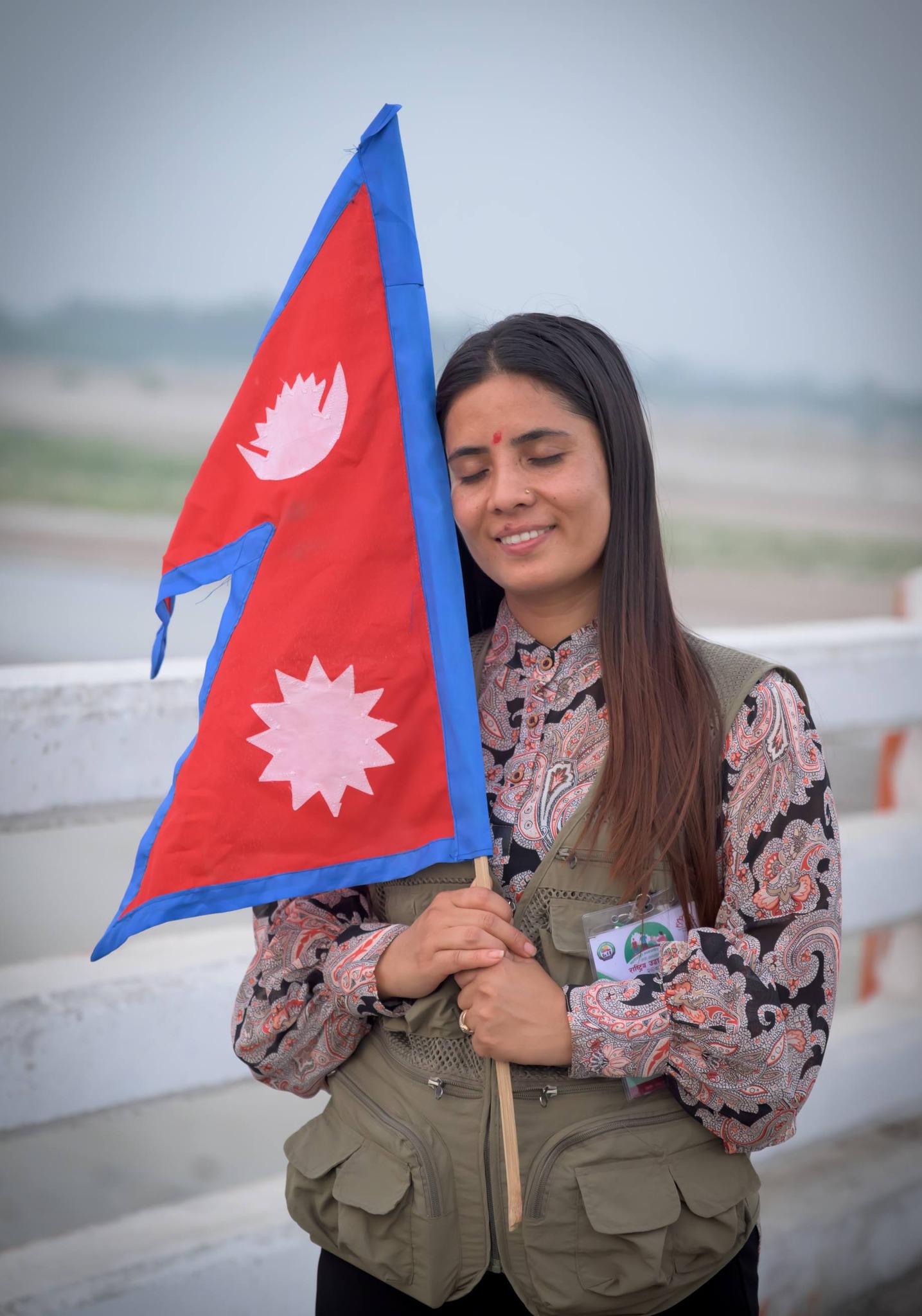
Tomorrow, June 8th, the streets of Nepal take a historic step toward ultimate compassion as the massive, nationwide Mechi-Mahakali National Rescue Journey 2026 hosts its grand concluding and declaration ceremony. Championed by the Manavsewa Ashram, Ani Choying Drolma Foundation and the Kathmandu Metropolitan City, the final event at Rastriya Savagraha aims to establish "Mission 2026," laying the administrative and operational groundwork for a fully "street-dependent-free" Nepal.
A Vision Realized: The Final Stop in Kathmandu
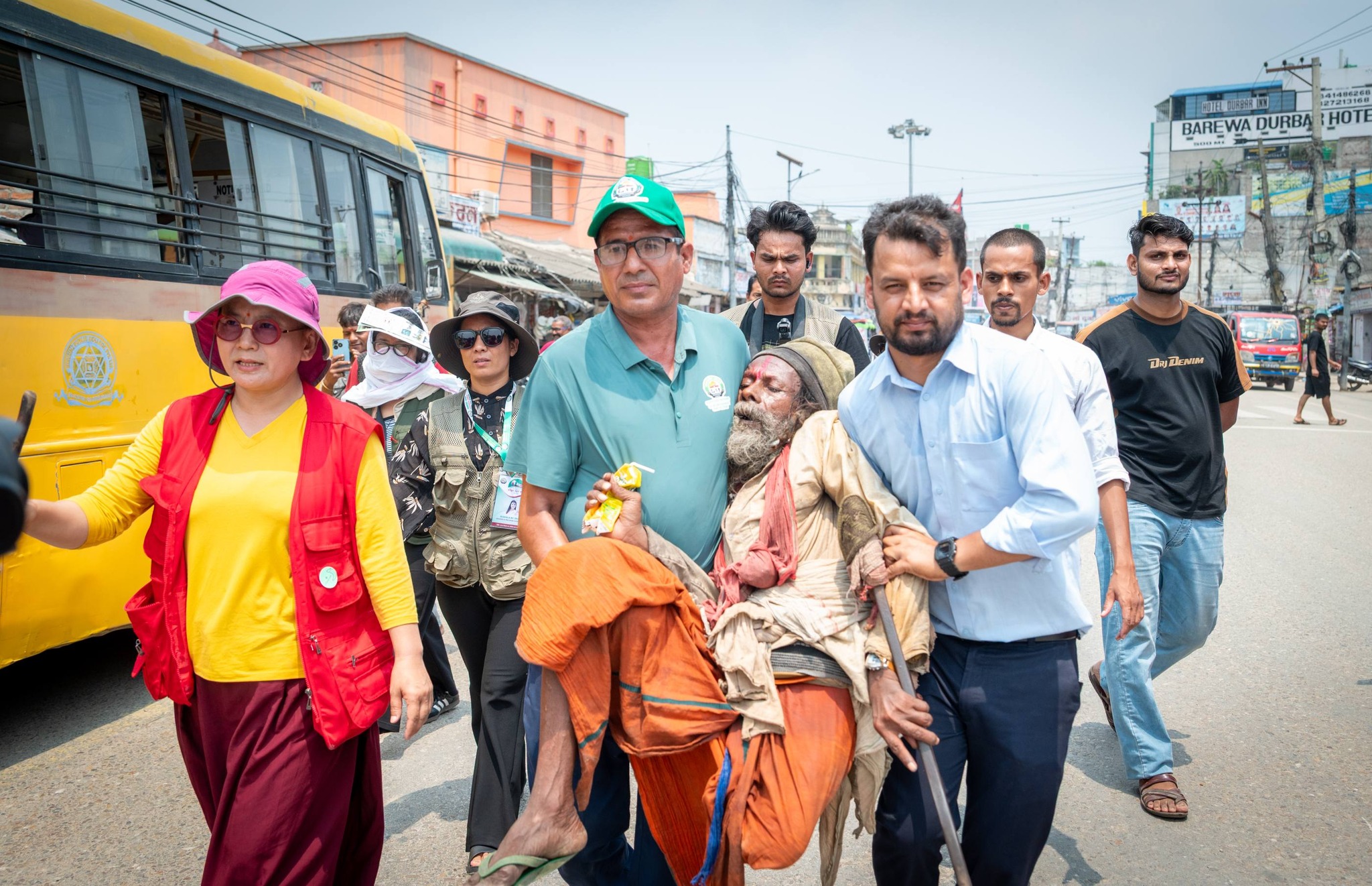
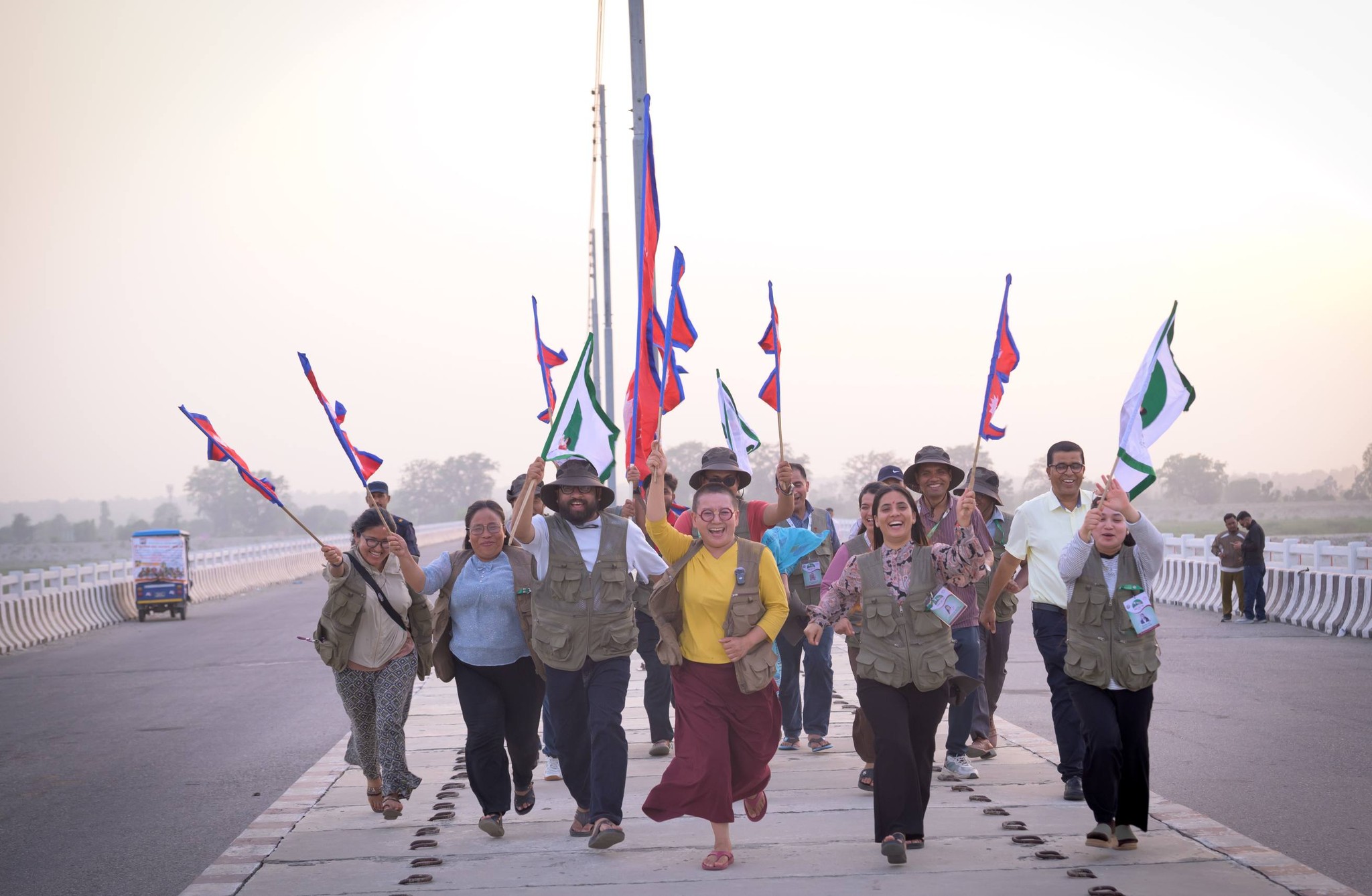
Tomorrow at 1:00 PM, the Rastriya Sabhagriha (National City Hall) in Kathmandu will host the grand finale of the Mechi-Mahakali National Rescue Journey 2026. This closing ceremony marks the culmination of a grueling, compassionate month-long journey across Nepal's highways and cities to rescue the country's most vulnerable citizens.
What began as a localized effort has transformed into a massive national movement. The closing event will serve as the official launchpad for "Mission 2026," a policy declaration aiming to build a completely street-dependent-free Nepal.
The Core Pillars of Mission 2026
Unlike previous short-term charity drives, Mission 2026 introduces a systematic, empathetic framework designed to break the cycle of homelessness permanently. The declaration expands its focus beyond street children to encompass all vulnerable demographics, including:
- Mentally challenged and orphaned individuals
- Abandoned elderly populations
- Differently abled citizens left without state or family care
- The standardized intervention process consists of four distinct phases:
- Emergency Rescue: Immediate, safe removal from hazardous street environments.
- Holistic Care: Provision of immediate medical treatment and professional psycho-social counseling.
- Rehabilitation: Long-term shelter and skill-building across Manavsewa Ashram’s 27 national branches.
- Dignified Reunion: Intensive trace-and-recovery efforts to reunite individuals with their biological families wherever safely possible.
Government Muscle and Local Action
The campaign’s success is heavily reinforced by state machinery. The Government of Nepal has officially aligned its federal budget allocations with this cause, prioritizing long-term protection frameworks over temporary fixes.
On a local level, the Kathmandu Metropolitan City (KMC) is leading by example. KMC is aggressively rolling out localized rescue operations and funding regional shelters to ensure that the capital city becomes the first fully street-dependent-free metropolis in the country.
The Path Forward: Sustainability and Monitoring
While the political and social backing for Mission 2026 is unprecedented, civil rights advocates and organizers stress that tomorrow is just the beginning.
To prevent individuals from slipping back into street dependency, the coalition is establishing robust social protection guidelines. The focus now shifts toward securing sustainable civic funding and setting up rigorous, community-level monitoring systems.
To read the full framework of this historic human rights declaration or to volunteer for ongoing rehabilitation efforts, visit the official Manavsewa Ashram Mission 2026 Media Coverage at the Manavsewa Khabar Portal.

Manavsewa Ashram – Manavsewa Khabar
Bada Dashain across Nepal is subdued this year following devastating floods and landslides through August, September, and October. In solidarity with displaced families and disaster-hit regions, former King... October 12, 2026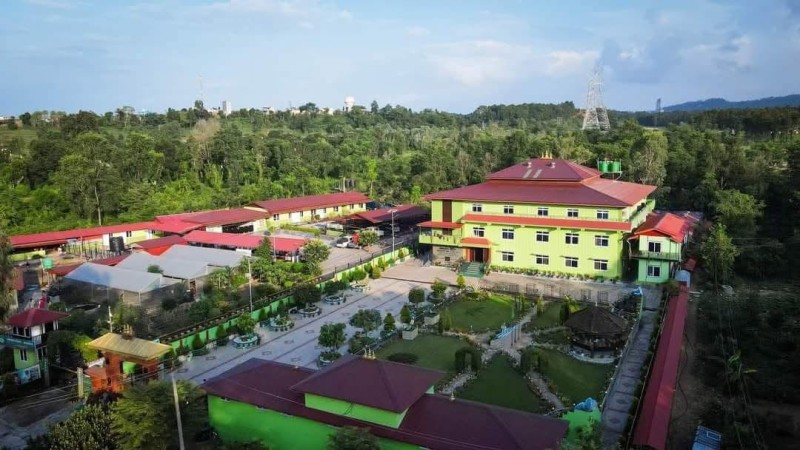
Manavsewa Ashram Rescues 26, Reunites 9 with Families in Nepal | Moving Hearts, Changing Lives
In the month of June 2026, Tuesday, Manavsewa Ashram successfully rescued 26 street-dependent individuals and facilitated the family reunion of 9 others. Backed by community donations and an... June 28, 2026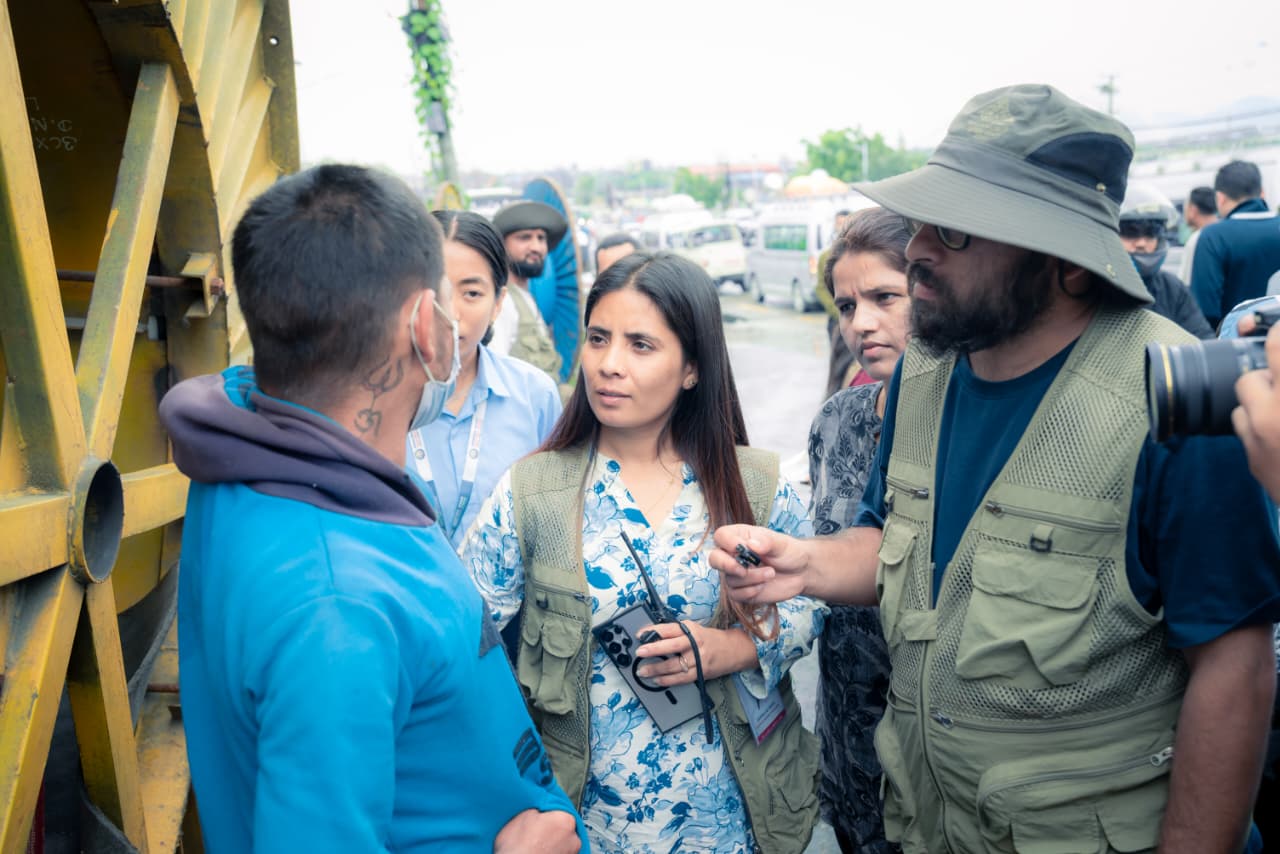
10 Street-Dependent People Rescued in Kavre and Sindhupalchowk on Monday
Ten street-dependent individuals (nine men, one woman) were rescued from Kavrepalanchok and Sindhupalchowk districts on Monday. This operation is part of the ongoing Mechi-Mahakali National Rescue Yatra, a... June 2, 2026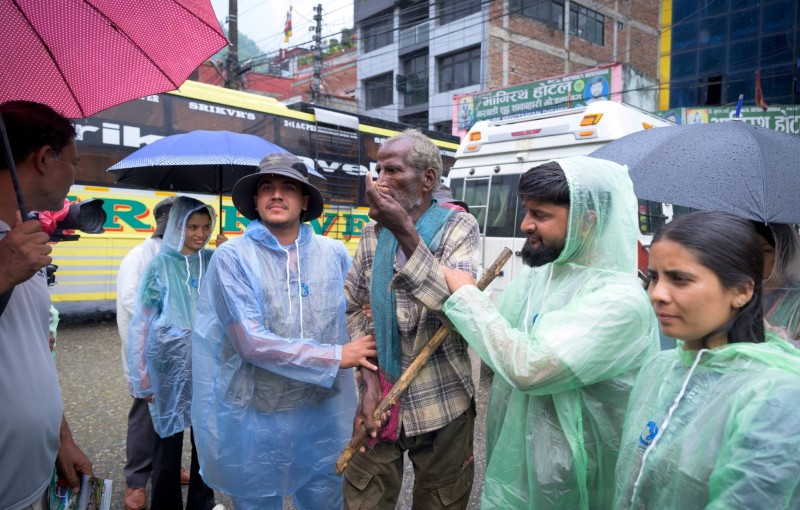
- A New Beginning: Ratnanagar Becomes a 'Street-Dependent Person Free' City
- Mechi-Mahakali National Rescue Journey 2026 | 9 Exclusive Images
- Mechi-Mahakali Rescue Day 10: 117 Street People Rescued
- Ani Choying Drolma: In the Eyes of the Lotus
- Mechi-Mahakali Rescue Journey Update: 5 people rescued from Rupandehi under the protection of Manavsewa Ashram