The Fable of Her Silent Pain
Embers of a Dark Fable

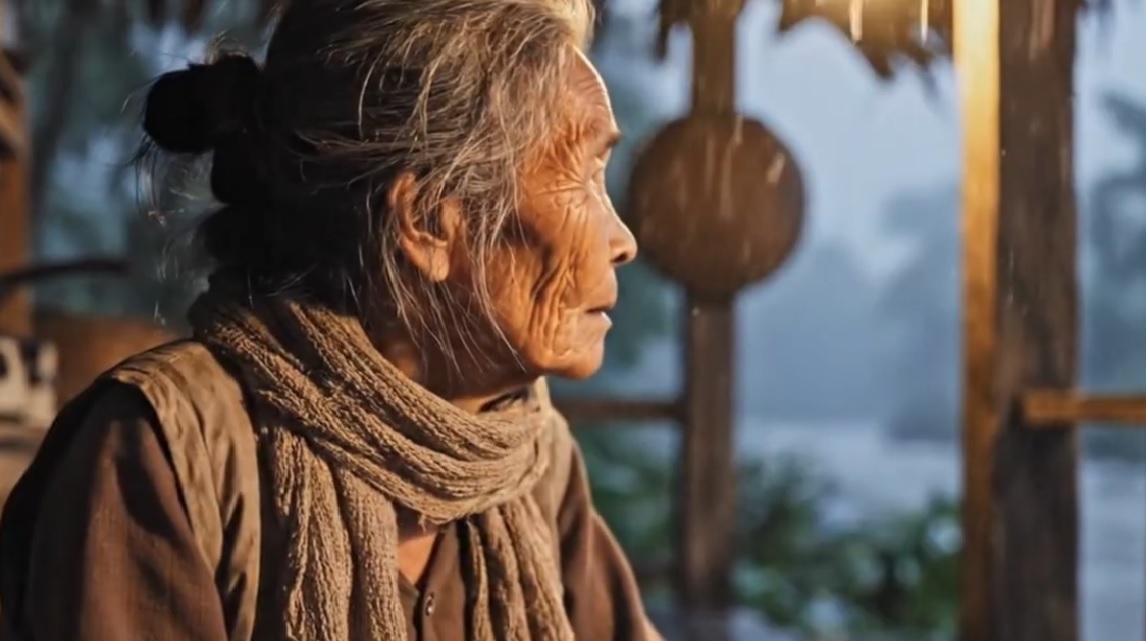
The song "Malai yo jindagi le kaha purayo... “धेरै हिँडे बाटोहरू, धेरै तरे खोला। आफ्नैसँग बिछोडिने कस्तो भाग्य होला?" reflects deeply on her erratic and volatile map of crossing paths, and emotional destinations.
Listen to the Song: Malai Yo Jindagile Kaha Purayo
Gathering Small Bits: Her Fable and Pain
This is a dark fable seizing secret abuse and silent endurance.
It recalls old myths and fables, like The Little Match Girl striking matches for fading warmth; she used hidden suffering to survive her world’s coldness as long as she could, turning unspoken heartache into a faint light.
Ganga Basnet was born in India but returned to Nepal as a child, carried on her father’s shoulders to the hills of Dumre, Bandipur. Her older sister married and moved to the Sindhuli hills, and her terminally ill mother left her father to remarry before passing away. Her father’s subsequent remarriage brought a cruel stepmother into the home. Enduring daily abuse and left with no one to care for her, Ganga ultimately fled the torture to seek refuge at her uncle’s house.
At her uncle’s house, cruelty wasn't an exception—it was her daily companion. One hopeless afternoon, she broke down. Fleeing into the dense forest, she watched the twilight vanish behind a choking canopy of thorns and dark shadows. She was despairingly lost. Just as fear began to paralyze her, the trees parted to reveal a wide, roaring river. Across her despair, a silent boatman emerged on the hazy bank. She masked her terror and begged for passage. As the boat cut through the restless, dark water, something inside her stirred. By the time they touched the far shore, she wasn't running anymore. A survivor had taken her place, against all odds, to return to her uncle’s house—forever changing her experience through the wild.
Silent Suffering
At her uncle’s house, she faced a person who claimed to treat her like a daughter but did not; instead, she experienced excruciating cruelty and beatings.
She was sent to Nepalgunj as a slave at age 10; she not only endured harrowing brutality and beatings, but also repeated rape by her uncle’s oldest son, a sadist who threatened to kill her if she ever left or married. Her days quickly fused into a cycle of backbreaking chores and unbearable trauma.
When her father died, her last link to safety vanished, leaving her entirely alone in the world.
The silent suffering defined her youth. The days and nights turned into a cycle of backbreaking chores and unbearable trauma; her child's body was battered by violence and violation.
The exploitation only shifted locations as she grew. Her uncle’s daughter eventually took her to Dhangadi and then to New Delhi, India, where she was kept as a prisoner and forced into hard labor. Though she bravely managed to escape back to Nepal, her vulnerability made her a target; a man she met on the road robbed her of her meager savings and jewelry. Left with absolutely nothing, she sought refuge in Ananda Ashram, only to be subjected to further relentless forced labor before ultimately being evicted.
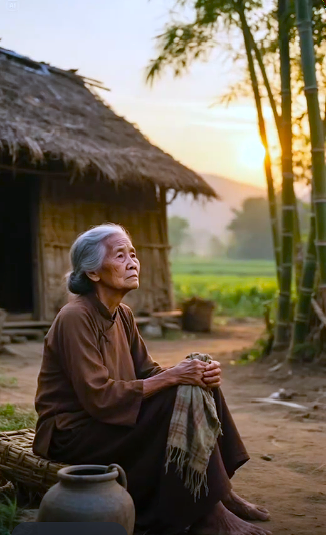
Image: A conceptual depiction of Ganga Basnet
She carried each wound—both physical and invisible—trauma at her innermost self, quietly tucked away inside her core as her only warmth against the coldness surrounding her. For years, this cruelty remained a heavy secret that she carried entirely alone—a slow, seething fire that intimidated her and threatened to devour her from within. This profound disconnect between her outer forced duties and her inner soul became a heavy spiritual burden, a heartache that no medicine could cure. Yet underneath cruelty and isolation, a quiet metamorphosis began. Brought to Manavsewa Ashram a few years ago, she still toils every day, tending to vegetables, feeding people who cannot eat, and seeking any task that gives her a sense of worth. Eventually, she would find hard-won peace, both precious and unbreakable.

How to Make Nepal a Heaven | The Healing Power of Manavsewa Ashram
This text highlights Manavsewa Ashram, an organization dedicated to caring for abandoned and isolated elderly parents (Amas and Buwas) in Nepal. It contrasts the joy of traditional festivals... June 30, 2026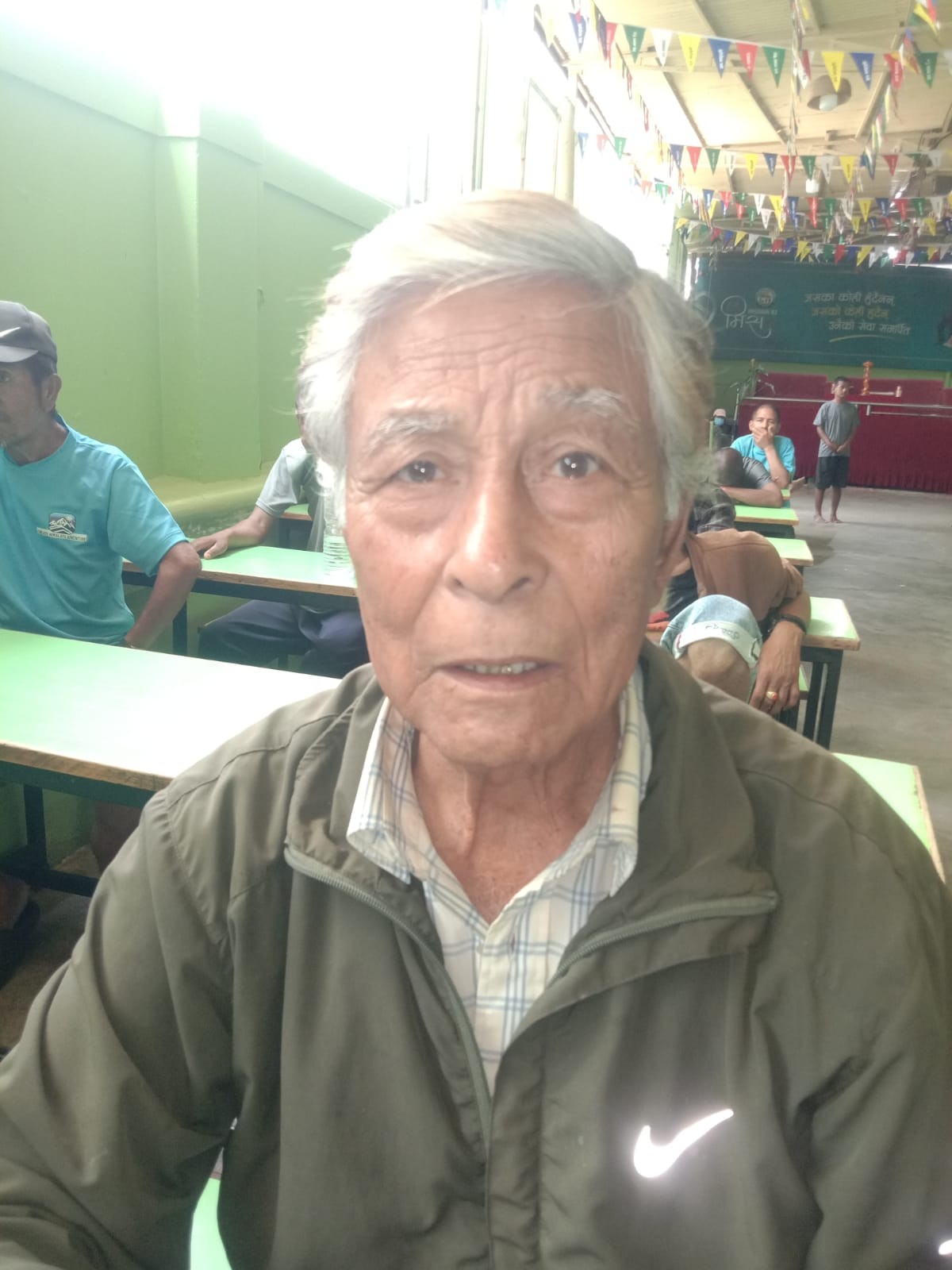
Resilience Rewarded: A 79-Year-Old Finds a Final Refuge at Kathmandu's Manavsewa Ashram
After a lifetime of hardship and losing his immediate family, 79-year-old Vipul Kumar sought shelter at the Manavsewa Ashram. Inspired by the city's rehabilitation initiatives, he found a... June 25, 2026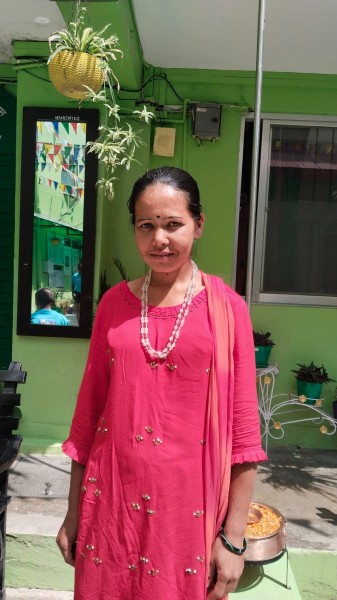
The Unchained Melody: "In the Orange Tree" & Saluja Chanda’s Story at Manavsewa Ashram
This article profiles 33-year-old Saluja Chanda, who survived a childhood fall from an orange tree that left her with chronic, seizure-inducing brain trauma. Despite severe physical limitations, her... June 7, 2026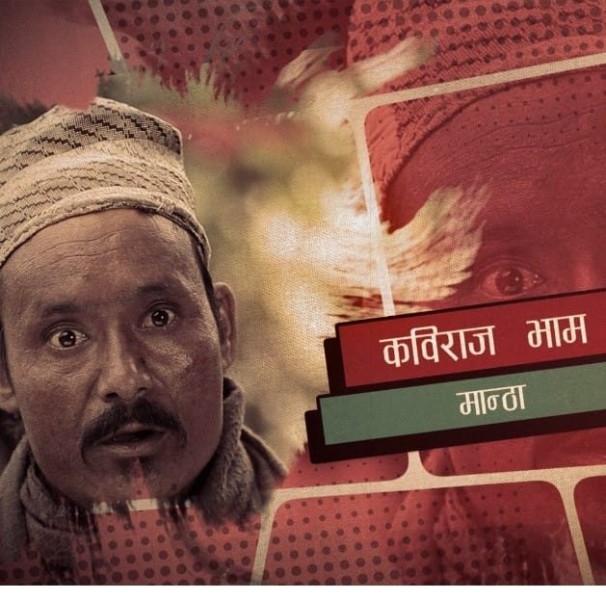
Deep-Dive Inside the Mind of Nepali Comedian Kabiraj Bham | Comedy, Satire, and Manavsewa Ashram
Kabiraj Bham 'Sakkigoni' actor ~ Kabiraj Bham is a popular Nepali comedy actor best known for his iconic role as "Mantha" (मान्ठा) in the hit sitcom Sakkigoni. Nepali... May 28, 2026- A New Beginning: Ratnanagar Becomes a 'Street-Dependent Person Free' City
- Mechi-Mahakali National Rescue Journey 2026 | 9 Exclusive Images
- Mechi-Mahakali Rescue Day 10: 117 Street People Rescued
- Ani Choying Drolma: In the Eyes of the Lotus
- Mechi-Mahakali Rescue Journey Update: 5 people rescued from Rupandehi under the protection of Manavsewa Ashram