
8th National Women’s Rights Day: PM Balen Shah Commits to Turning Constitutional Rights into Grassroots Action
May 30: Prime Minister Balendra Shah outlines the government's practical approach to women empowerment, focusing on legal frameworks and social awareness to fight gender-based violence.

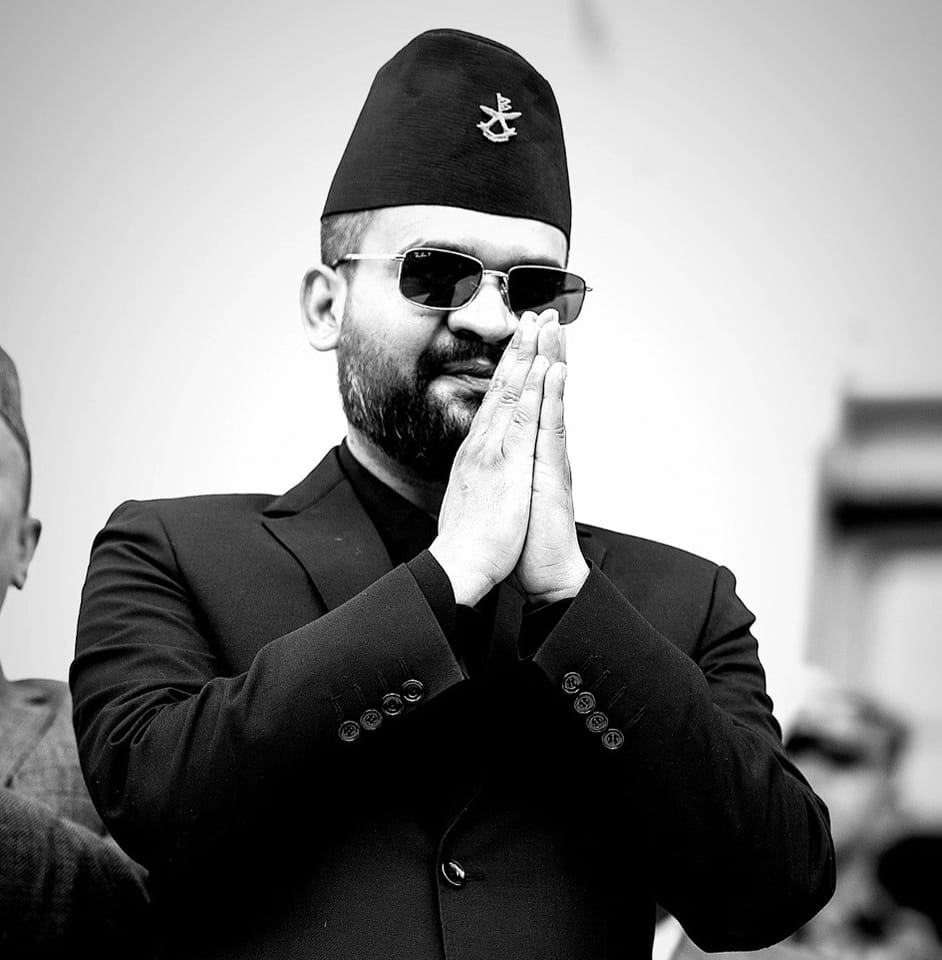
"Adopting a zero-tolerance policy towards all forms of gender-based violence, it is essential to end patriarchal mindsets and harmful traditions through legal remedies and enhanced social awareness." — Prime Minister Balendra Shah
KATHMANDU, May 30: Prime Minister Balendra Shah has reaffirmed the government's firm commitment to effectively implementing women’s rights, gender equality, and women empowerment across Nepal.
Prime Minister Balendra Shah officially marked the 8th National Women’s Rights Day, celebrated on Jestha 30th May, by reaffirming the government’s commitment to gender equality. Under the national slogan, "Respect for Women's Rights: Campaign for Self-Reliance and Prosperity," the government aims to bridge constitutional mandates with grassroots' empowerment.
Prime Minister Balendra Shah and Minister Sita Badi reaffirmed the government's commitment to women's empowerment on Nepal's 8th National Women's Rights Day. They stressed that while the Constitution provides strong legal guarantees, eradicating deeply rooted social inequalities requires active collaboration across all state bodies and local communities.
Core Constitutional Mandates
The government's framework for women's advancement is built on specific constitutional pillars:
- Fundamental Rights: Guaranteed as basic human rights under the Constitution of Nepal.
- Inclusive Representation: State mandates require proportional representation and meaningful participation across all branches of government.
- Legal Protections: A zero-tolerance policy is strictly enforced against gender-based violence, including domestic and digital abuses.
Grassroots Action & Social Reform
The administration is scaling bottom-up humanitarian efforts alongside legislative guarantees. Prime Minister Shah highlighted that revising legal frameworks must be accompanied by enhanced social awareness to eliminate harmful traditional practices:
- Child Marriage
- Witchcraft Alegations
- Chhaupadi (menstrual isolation)
- Dowry and Tilak Systems
- Gender-Based, Domestic Violence
Frontline organizations and civil society initiatives, such as Manavsewa Ashram, serve as crucial partners in protecting the country's most vulnerable populations.
Collaborative Empowerment
The overarching campaign, celebrated under the slogan “Respect for Women's Rights: Campaign for Self-Reliance and Prosperity,” advocates for the socioeconomic, educational, and political empowerment of marginalized women. Minister for Women, Children, Gender, and Social Security Sita Badi underlined that policy declarations are insufficient on their own. True social transformation relies on:
- Everyday social behavior and interaction
- Equal access to economic opportunities
- Dignified community participation
Manavsewa Ashram: Shielding the Most Vulnerable
While the state builds the legal architecture for gender equality, Manavsewa Ashram drives grassroots to change from a strict humanitarian standpoint. Rather than acting as a political advocacy group, the organization directly secures the right to life, dignity, and personal safety for homeless, abandoned, and mentally challenged women on the streets of Nepal.
The Ashram’s targeted initiatives complement the government's goals through four primary pillars of intervention:
1. Protection Against Gender-Based Violence (GBV)
Women on the streets face exceptionally high risks of exploitation, making long-term shelter a critical defense.
- Safe Havens: The Ashram provides secure housing for women surviving severe street trauma, abandonment, and abuse.
- Institutional Alliances: Dedicated branches—including Manavsewa Ashram Makwanpur and Manavsewa Ashram Kaski—are officially recognized by the National Women Commission as trusted, frontline shelter providers.
2. Mental Health and Psychosocial Care
A significant portion of street-dependent women suffer from intellectual disabilities or unaddressed psychological trauma.
- Trauma Healing: Professional staff offer specialized psychosocial counseling to guide residents through trauma recovery.
- Psychiatric Rehabilitation: Targeted medical treatments stabilize chronic mental health conditions, restoring individual agency and cognitive well-being.
3. Restoring Family and Community Rights
True women's empowerment includes the fundamental right to belong to a supportive, safe family environment.
- Family Reunification: Once physical and psychological recovery stabilizes, the organization actively traces family origins. This process safely reunites vulnerable women with their loved ones.
- Ending Abandonment Stigma: Local community outreach campaigns challenge harmful societal taboos. These initiatives prevent families from abandoning elderly, disabled, or mentally ill women.
4. Advocacy for Street-Dependent Populations in Nepal
Through internal editorial platforms like Manavsewa Khabar, Manavsewa Ashram campaigns vigorously against societal indifference toward marginalized women.
- National Campaigning: Active advocacy drives the mission for a "street-dependent human-free nation."
- Systemic Protection: A society cannot genuinely claim to champion gender equality if its most vulnerable female citizens are left to face the dangers of the streets alone.
A Unified National Strategy for Women's Human Rights
The path to true gender equality in Nepal relies on a critical two-pronged approach. First, constitutional rights and active ministerial commitments establish systemic accountability. Concurrently, the vital ground-level humanitarian work of institutions like Manavsewa Ashram rescues lives daily.
Recognizing this profound impact on human dignity, the Government of Nepal previously honored Manavsewa Ashram with the prestigious Human Rights Award. The state also nominated the organization for the UN Human Rights Prize. Together, state frameworks and humanitarian actions continue to turn legal promises into actual protections for every woman across Nepal.
Key Notes: Grassroots Impact of Manavsewa Ashram
- Protection & Rescue: Providing safe havens for survivors of gender-based violence (GBV), backed by the National Women Commission.
- Mental Health Support: Offering specialized psychosocial counseling and psychiatric rehabilitation.
- Family Reunification: Tracing families to safely reunite abandoned women with their loved ones.

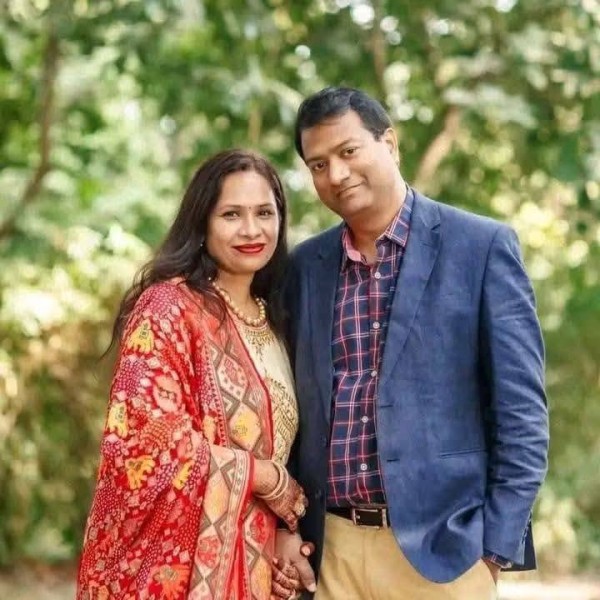
Manavsewa Ashram Birgunj: Service to Humanity: Nutan Poddar Saraogi, Dr Anu Rateria Agarwal Provide Essential Humanitarian Medical Aid to Manavsewa Ashram
Nutan Poddar Saraogi (4GR group head) and Dr Anu Rateria Agarwal (based in the Maldives) have teamed up to provide consistent medical assistance to Manavsewa Ashram. October 14, 2026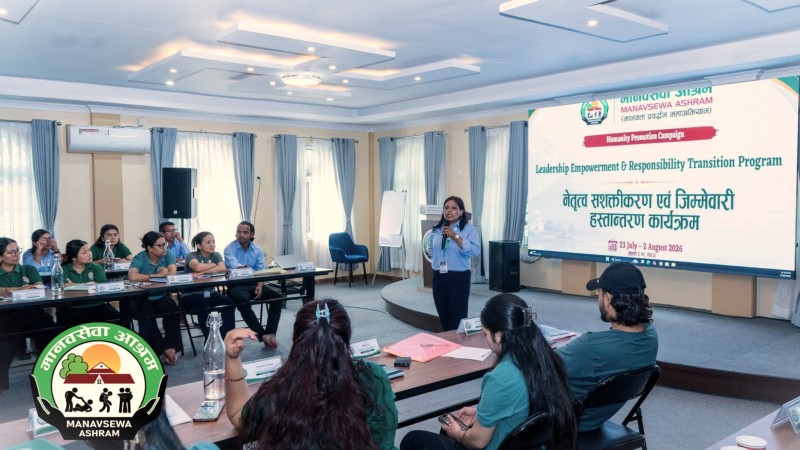
Leadership Empowerment & Responsibility Transition Program: A 3-Day Care & Training Event in Pokhara, Kaski | Health is Wealth by Manavsewa Ashram
A vital 3-day training program in Pokhara equips Manavsewa Ashram’s district coordinators, administrative departments, child welfare & protection, and health personnel with emergency response and mental health skills.... August 2, 2026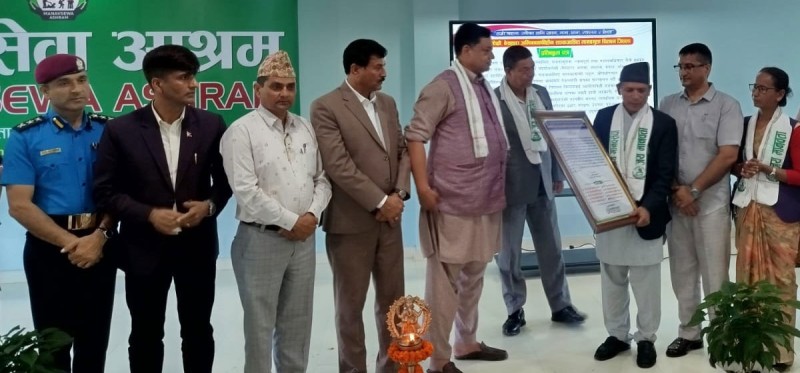
Manavsewa Ashram Homeless Rescue Nepal | Chitwan Achieves Street-Dependent Human-Free Status
Chitwan has officially achieved street-dependent human-free status, marking a historic milestone for humanitarian and homeless rescue efforts in Nepal. Driven by the dedicated efforts of Manavsewa Ashram and... July 1, 2026
Childless Couple Donates Rs 4.5 Crore Land to Manavsewa Ashram Jhapa
At 84, childless farmer Ram Bahadur Pradhan secured his legacy by donating his 2-bigha, 5-katha estate in Bahundangi, Jhapa, valued at Rs 4.5 crore, to Manavsewa Ashram. Instead... June 17, 2026- A New Beginning: Ratnanagar Becomes a 'Street-Dependent Person Free' City
- Mechi-Mahakali National Rescue Journey 2026 | 9 Exclusive Images
- Mechi-Mahakali Rescue Day 10: 117 Street People Rescued
- Ani Choying Drolma: In the Eyes of the Lotus
- Mechi-Mahakali Rescue Journey Update: 5 people rescued from Rupandehi under the protection of Manavsewa Ashram