Outside In | Coming Home with Manavsewa Ashram’s Australia and UK Chapters
Manavsewa Ashram Australia Chapter: Facilitating Helpless-Free Nepal

Nepali Transnational Population & Community
The defining facet of modern Nepal is a record exodus of over 1.6 million working-age citizens leaving annually for work and education. Transnational populations primarily settle in India and the Middle East due to open borders and labor migration, while in Western and Oceanic countries, the largest established communities are in the Americas and Australia.
Besides labor, Nepalis are globally renowned as elite “Gurkhas”. While the Nepali Army has about 96,000 active personnel, roughly 42,000 serve in the Indian Army and 4,000 in the British Army, with elite contingents in Singapore and Brunei. Today, Nepal is also a top global contributor to UN Peacekeeping missions.
Facing the Music: The Need for Both Domestic and International Efforts
The Urgent Requirement: A collaborative, borderless, and well-grounded plan
Economic and social vulnerabilities leave many Nepalis working abroad stranded or alienated from their families. To combat this, Manavsewa Ashram and India’s Shraddha Foundation have often partnered to rescue, rehabilitate, and reunite these destitute citizens. Moving toward the goal of a “street-dependent human-free” Nepal, the Ashram relies on international chapters in the UK, Australia, and Qatar. These chapters mobilize overseas Nepalis living abroad through global tours, seminars, and fundraising to establish rehabilitation shelters and rescue vulnerable citizens.
Key Stories & Facts
• The Kailashpati Reunion: A success story of a man named Kailashpati (Palashpati Rajwar), who was successfully reunited with his family in Nepal after 3 years and 6 months thanks to the joint efforts of the Manavsewa Ashram, the Shraddha Foundation, and the Embassy of India.
• The Humanity-First Mission: Manavsewa Ashram is actively working on its “Mission 2026” alongside local governments to eradicate street dependency and destitution across Nepal, having rescued over 10,000 individuals to date.
• The Migration Surge: The rising tide of Nepalis leaving the country—moving to Malaysia, Gulf countries, Europe, and the Americas—exposes the monetary challenges and the quest for economic security. The surge occasionally leads to cases of psychological distress, leaving vulnerable individuals stranded and in need of compassionate repatriation.
Cross-Border Rescue Efforts
Read the full reunion story on Manavsewa Khabar.
Learn about the nationwide homeless-free movement via the Manavsewa Ashram Mission 2026 Overview.
The Corporate and Talent Exodus
• Wake-Up Call: Middle-class youth and university graduates are increasingly abandoning local professional tracks due to stagnant wages and lifestyles. They utilize student visas as clear ladders toward permanent residency in Europe, Australia, Canada, the UK, and the Americas.
• The Facts: In 2024 alone, 119,409 students departed Nepal on foreign-study permits. Educational and economic experts note that this rapid loss of skilled human capital is causing long-lasting demographic harm, leaving private investors hesitant to enter a market devoid of young talent.
The Risqué Search for Blue-Collar Survival
• Wake-Up Call: Unskilled and semi-skilled laborers dominate the migration pool, traditionally heading to Malaysia and Gulf states like Qatar, Saudi Arabia, and the UAE for construction and hospitality work. However, the desperate search for high wages has pushed many into extreme, geopolitically volatile regions, including joining foreign militaries in the Russia-Ukraine conflict.
• The Facts: Roughly 85% of labor migrants head to the Gulf, where wages can be four times higher than in Nepal. Despite regional conflicts, the Department of Foreign Employment recorded that 587,340 labor permits were issued in the nine months between mid-2025 and mid-2026.
The Ghost Towns and Great Divided Families
• Wake-Up Call: The exodus has completely hollowed out the hinterlands in Nepal. Ancestral homes are locked up; agricultural fields lie uncultivated, and extended family values and units are disintegrating.
• The Facts: The 2021 census highlighted a 10% population decrease in remote mountain areas due to migration. Communities are now mostly composed of children and the elderly, while the bodies of three to four deceased migrant workers are flown back to Tribhuvan International Airport every single day.
The breakdown of the largest Nepali populations and diaspora includes:
• India
• Population Estimate: Millions (estimates vary widely, mainly due to the open border and free movement).
• Community Highlights: Nepalis have historically migrated to India for employment, education, and permanent settlement. Large, established communities exist in metropolitan centers as well as states bordering Nepal, such as West Bengal (particularly Darjeeling and Kalimpong) and Sikkim.
• The Middle East (GCC Countries)
• Population Estimate: ~800,000 (with large populations distributed across Saudi Arabia, the United Arab Emirates, and Qatar).
• Community Highlights: This region largely consists of a transient workforce. Nepalis primarily work in construction, hospitality, and service sectors, forming tight-knit expatriate communities and sending substantial remittances home.
• United States
• Population Estimate: ~ 208,000
• Community Highlights: The Nepali diaspora is one of the fastest-growing Asian populations in the U.S. The largest and most visible community in New York City (particularly in Queens and Brooklyn). Other significant communities are in Columbus, Ohio, Dallas/Irving, Texas, and Houston.
• Australia
• Population Estimate: ~213,000
• Community Highlights: The Nepali overseas enclave is the eighth-largest migrant community in Australia. They are concentrated in Sydney, Melbourne, and Brisbane, driven largely by a massive surge of international students and skilled professionals.
• Other Notable Communities
• Japan: Fast-growing, with over 185,000 Nepalis residing primarily in Tokyo.
• Malaysia: A key destination for Nepali migrant workers, with communities numbering around 90,000+.
• South Korea: Houses a substantial working and student population (approx. 90,000) under the Employment Permit System (EPS).
• United Kingdom: Notable for its historic and ongoing ties to the legendary Gurkha regiments, alongside a large population of young professionals and students.
The Nepali Communities World-Wide
View a detailed global migration profile in the IOM Nepal Diaspora Mapping Report.<publications.iom.int/books/mapping-nepalese-diaspora>
Read about the driving factors behind youth migration from Nepal at the Observer Research Foundation. < www.orfonline.org/geography/nepal>
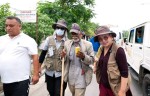
Photo: Gukha Samaj AU © Facebook. Description: Coming Home, the previous Manavsewa Ashram's Oz Chapter Tour.
 Photo: WIKIWAND ©: A trooper of the Gurkha Contingent of the Singapore Police Force gives directions to a civilian. AUTHOR UNKNOWN/ CC BY-SA
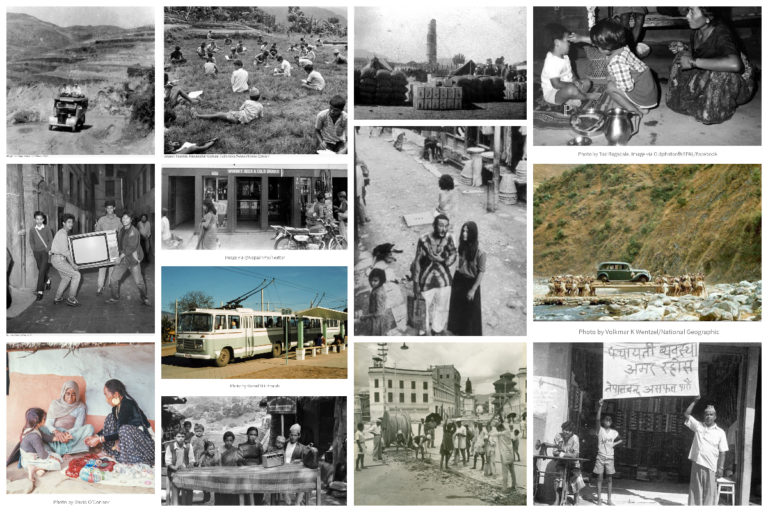
 Photo: Nepal8thwonder © <https://nepal8thwonder.com/old-photos-of-nepal/>


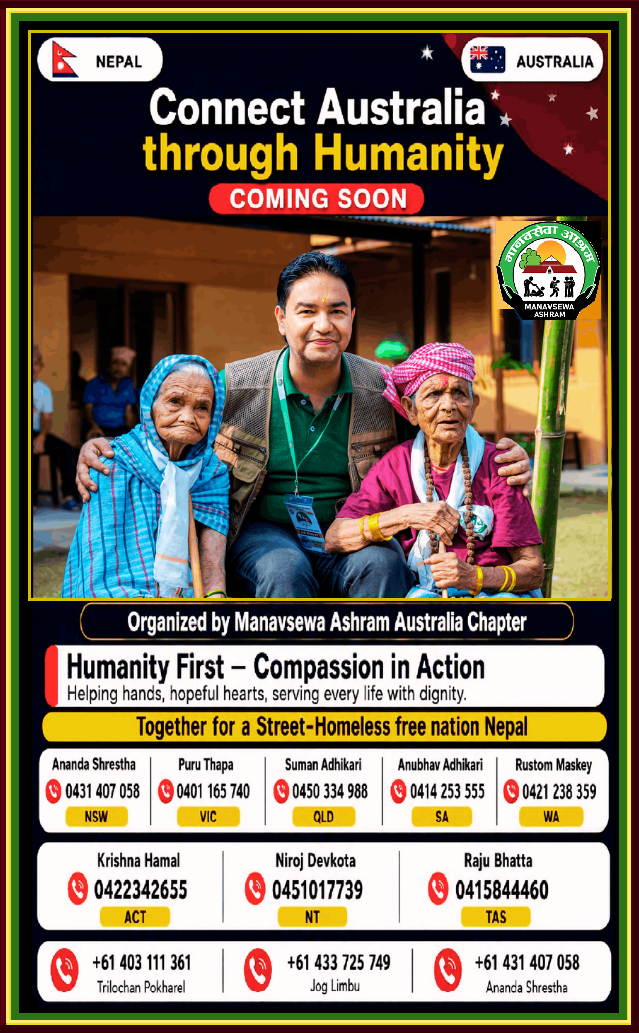
To Make Nepal a Heaven: Humanity First: Humanity Promotion Mega Movement Manavsewa Ashram's Australian Chapter
Manavsewa Ashram, a non-profit organization in Nepal working to resolve homelessness, offers a caring refuge for desolate, forgotten, and heartbroken elderly parents (Aamas and Buwas). The organization restores... October 5, 2026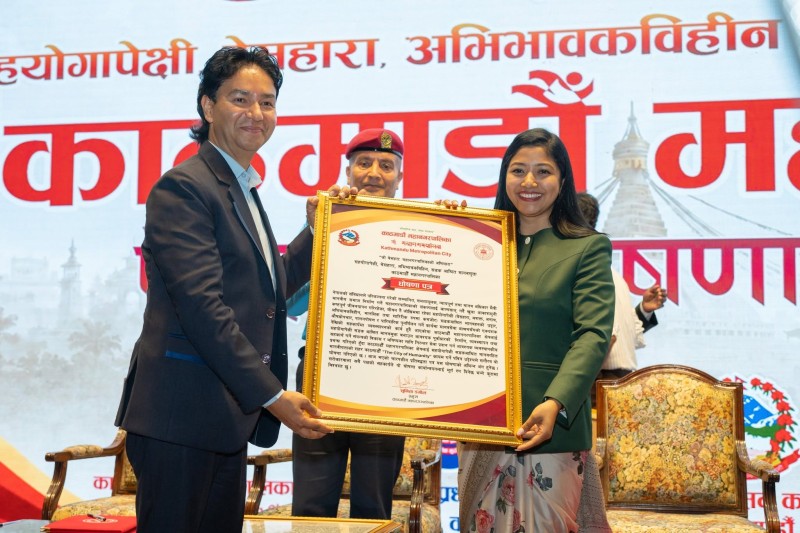
Historic KMC Declaration: 3rd Mechi-Mahakali National Rescue Journey 2026 Ends in Kathmandu
The highly successful Mechi-Mahakali National Rescue Journey 2026 concluded on June 8th at Rastriya Sabhagriha in Kathmandu with a solemn oath ceremony. Championed by the Manavsewa Ashram and... June 9, 2026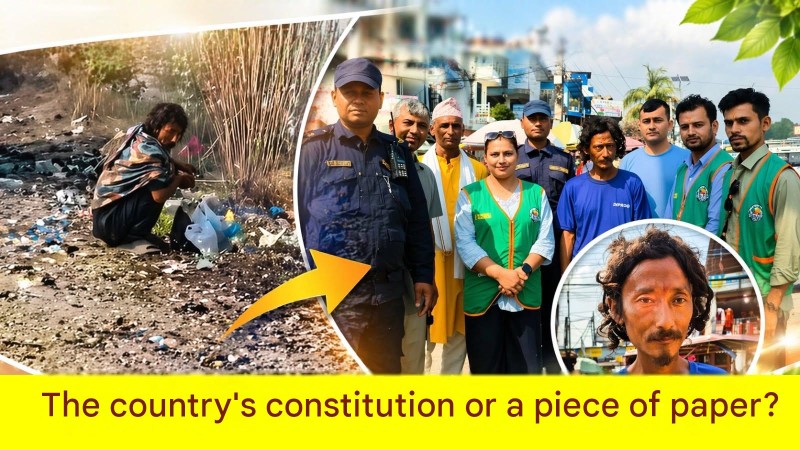
Burning the Blueprint: The Charred State of Our Constitution: Nepal's Constitution or A Piece of Burned Paper?
• The Incident: A destitute young man was rescued from Bardibas Chowk by Manavsewa Ashram. • The Conflict: Constitutional promises of dignity and housing (Articles 16 and 37)... April 10, 2026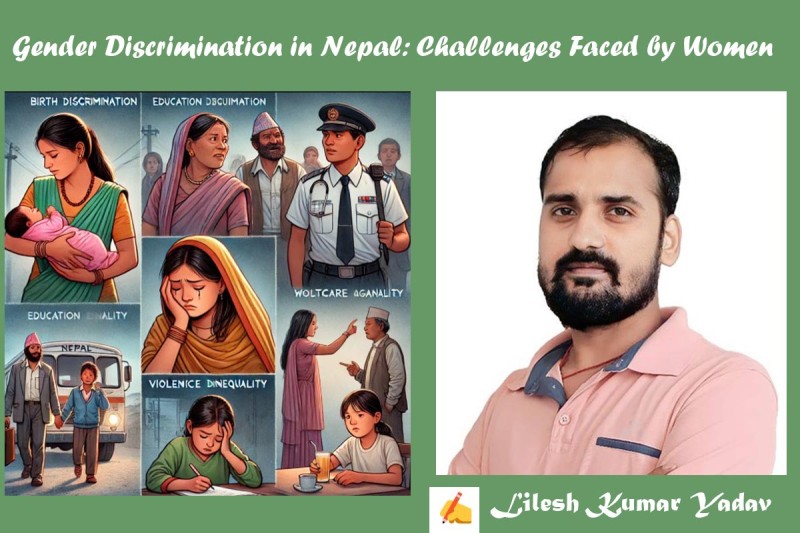
Gender Discrimination in Nepal: Challenges Faced by Women
Today, I am discussing the challenges faced by women in the villages of Nepal. The real facts reveal discrimination in education, health services, job payment, and sexual violence... February 19, 2025- A New Beginning: Ratnanagar Becomes a 'Street-Dependent Person Free' City
- Mechi-Mahakali National Rescue Journey 2026 | 9 Exclusive Images
- Mechi-Mahakali Rescue Day 10: 117 Street People Rescued
- Ani Choying Drolma: In the Eyes of the Lotus
- Mechi-Mahakali Rescue Journey Update: 5 people rescued from Rupandehi under the protection of Manavsewa Ashram